Full Moon Edition October 2024
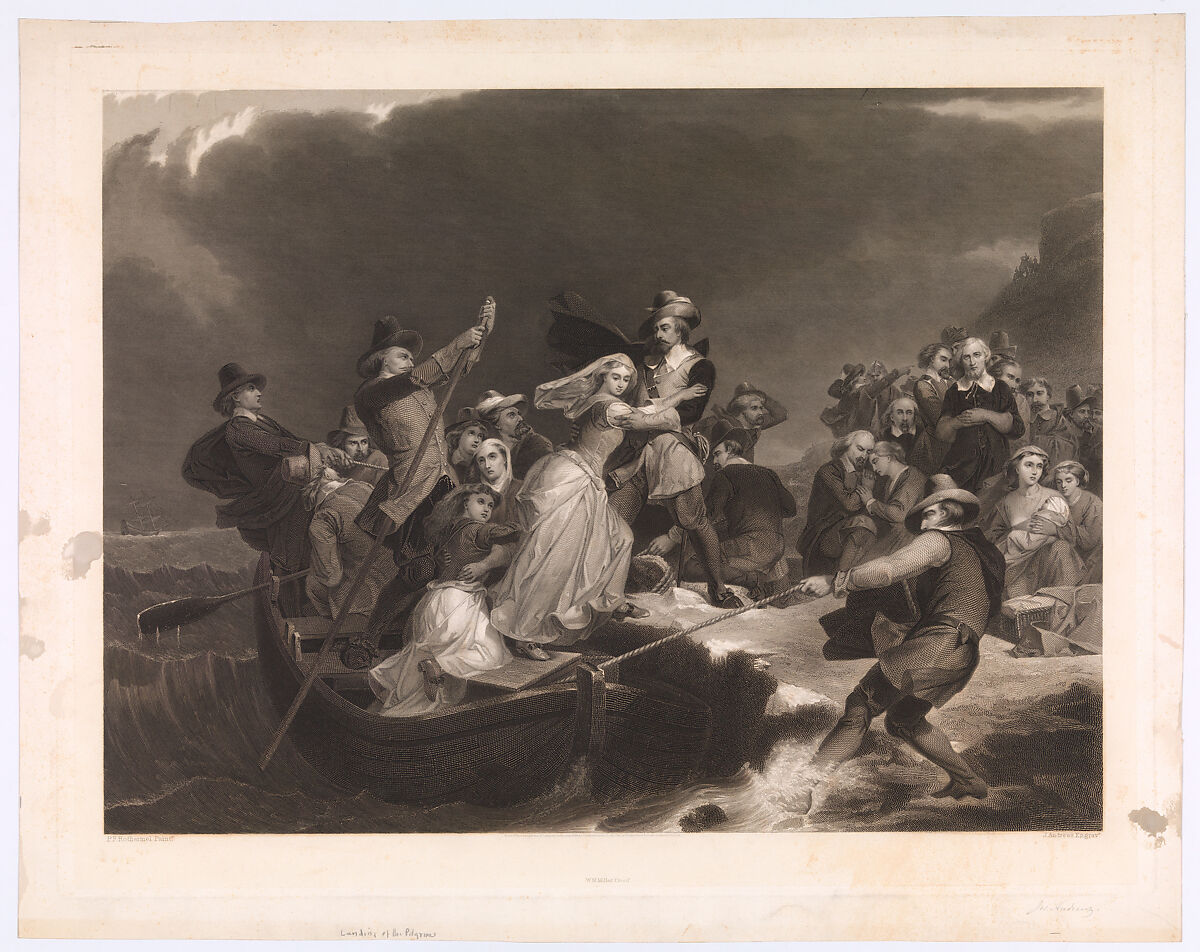
We know about American history, right? The Pilgrims, Bunker Hill, Sherman’s March thru Georgia, the Indian Wars, Henry Ford’s Model T, the Great Depression, World War II, leader of the free world. That’s what they teach us in school, right? That’s our story.
What about pre-history though in this place we know as North America? What was going on before the Europeans showed their faces here? Who were the Indigenous peoples? Which among the First Nations actually was first to arrive here and when? Which of them most recently arrived? Why does it matter?
Whether we know it or not, that prehistory is our history. There’s a lot to be learned from it about who and what we are as Americans. Great civilizations existed here and sophisticated ways of living developed. In fact, the founding principles of the United States were heavily influenced by the philosophies of native peoples. Read it HERE.
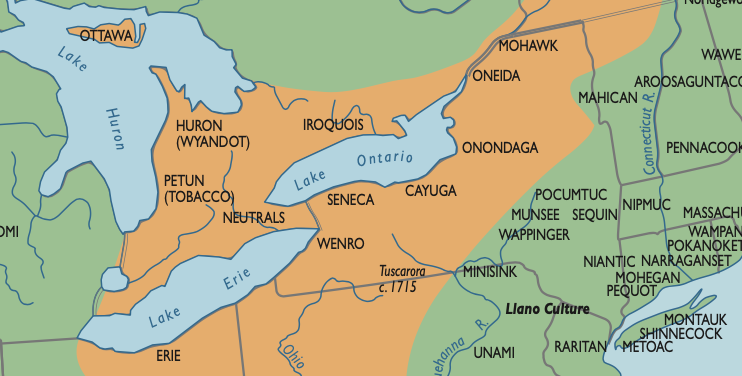
The French Jesuits who preached Catholic doctrine to the Indigenous peoples of the Great Lakes region were curious enough to dialogue with them and learn a little about their ways. Much of what they heard was revelatory and especially relevant to ideas percolating in the salons of Paris – new thinking about freedom, liberty, individual rights, and the natural order. What the priests learned was reported back to France and came to inform the intellectual discussions of the day.
To their astonishment, the preachers found not only were the natives unintimidated by their attempts to ‘civilize’ them; rather, they argued persuasively for the superiority of their own social order in comparison to the dogmatic culture of the Europeans. These daring new concepts for the vassals of the cross and crown in Europe were standard, time-proven practices among the native peoples of the New World.
They descended from cultural entities that reached back to the time of the Pharaohs and the Late Grecian civilizations. They evolved very sophisticated ways of organizing and administering their societies. They lived successfully in the Great Wilderness that so haunted the psyche of the American Origin Story and its Manifest Destiny.
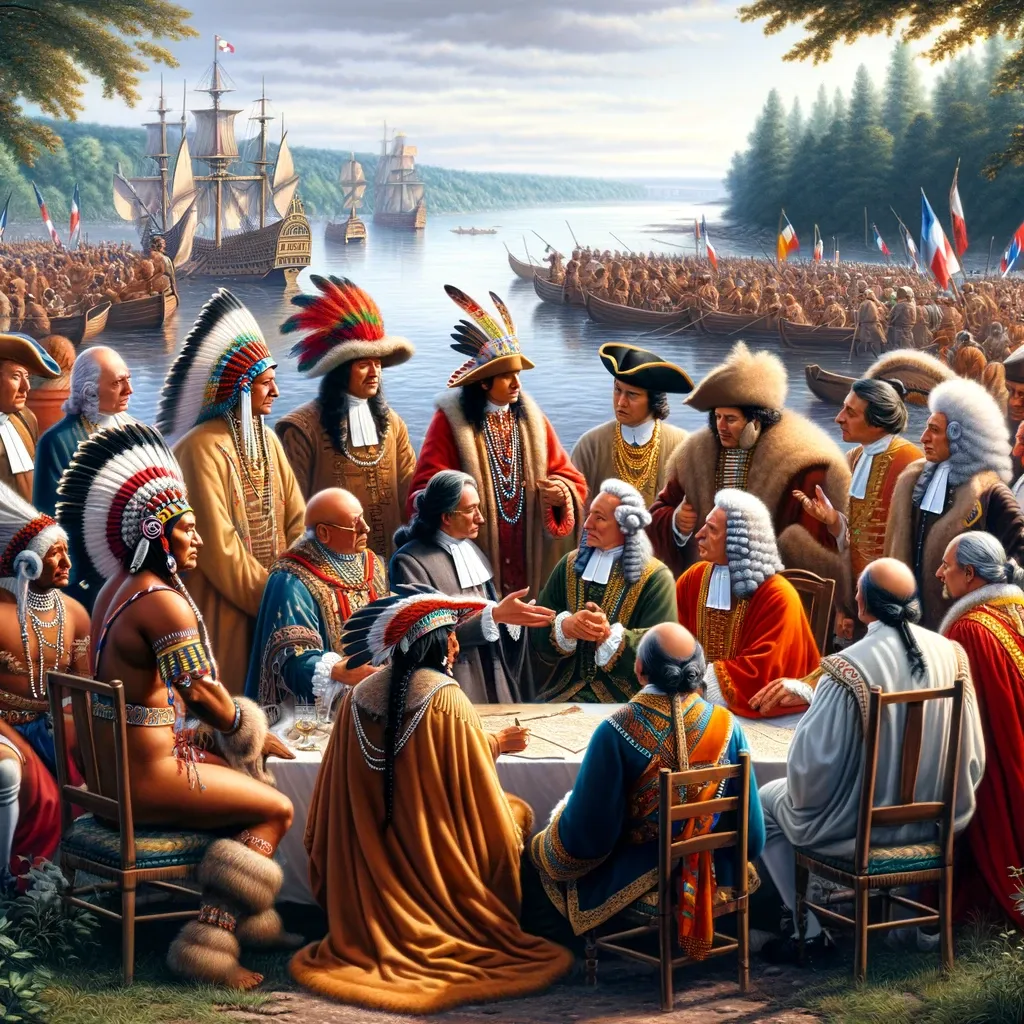
One of the native leaders was the Wyandot philosopher Kondiaronk, who was widely known by friend and enemy alike as an intimidating intellect, brilliant orator and debater, a courageous warrior, a statesman and skilled politician. He was also a staunch opponent of Christianity.
Kondiaronk, who had travelled to Montreal, New York, and even Paris, was a regular at the proto-Enlightenment discussions of the Governor of Canada, where he ran circles around the members of the council, dazzling them with his wit, logic, and unassailable arguments about human nature, natural order and natural law, slyly opposing it to the dogmatic devotion and subjugation to cross and crown that was European society.
Rather than trying to convert the Wyandot, he suggested Europeans would be better off adopting the ways of his people. “I have spent six years reflecting on European society,” he said, “and I still can’t think of a single way they act that’s not inhuman.” He critiques the use of money as a means of interaction, the enslavement of the people to the King, the use of laws and imprisonment to keep order. “What kind of human,” he asks, ”what species of creature, must Europeans be that they have to be forced to do good and only refrain from evil because of fear of punishment?”
Most significantly, he talks about freedom and natural order, the essence of what we came to call the principles of the Enlightenment, the foundation of the United States of America. The very same principles ironically that we refused to grant the people who brought them to us and to the salons of Europe as this country was coming to be and preparing to inflict its self-righteous will on the native peoples of these lands.