Autumn Equinox New Moon Edition September 2025
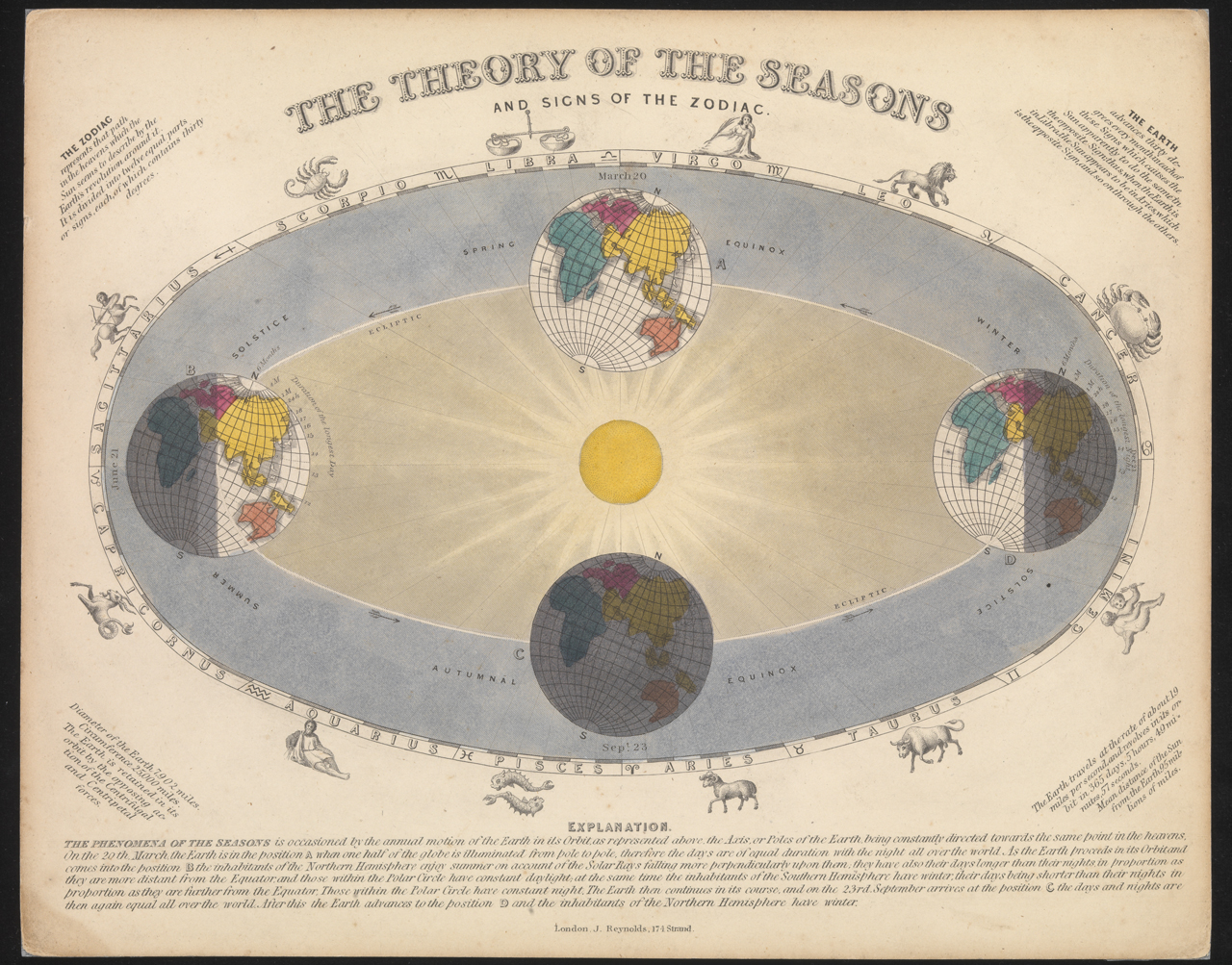
The Autumnal Equinox, well, it’s complicated. Not when it is but rather how Autumn itself is defined and by whom. According to the Royal Museums Greenwich (HERE), that place on earth where one can stand exactly on the Prime Meridian, which for me suggests a certain gravitas to its proclamations, there are three different ways of defining autumn: astronomical, meteorological and phenological.
Astronomically, the four seasons center around the equinoxes and solstices. However, there is disagreement between those who see the equinox or solstice as the start of the season, and those who hold that it represents the middle of the season. Whereas, meteorologists tend to divide seasons into periods of three whole months based on average monthly temperatures, with summer as the warmest and winter as the coldest. On this basis, for most of the northern hemisphere the autumn months are usually September, October, and November.
The third way of defining autumn is to use what are known as phenological indicators. These cover a range of ecological and biological signs, such as the leaves falling off the trees and the migration of birds to warmer climates. These events of course are influenced by weather and climate, and so changing climate can cause autumn to start earlier or later than the standard astronomical or meteorological definitions. As we said, it’s complicated.

Complexity aside, the Autumn Equinox is universally acknowledged and widely celebrated. The day itself casts light equally on both the Northern and Southern Hemispheres, as is the case again six months later at the Spring Equinox. For those up North, the chances of seeing the Aurora Borealis (as in the photo above) increase as the days above the Equator grow shorter and colder.
In Druidry, the autumn equinox ritual is known as Alban Elfed, meaning ‘the light of the water’. The equinox is seen as the ‘gateway’ of the year, and there is beautiful prose to be found among Druid writings, referring to the balance between light and dark and the cycle of the seasons (HERE). Celebrations danced ecstatically among the pillars of Stonehenge come to mind.
Fundamentally, though, it is the end of the growing season and the harvest that is celebrated, be it Mabon, Octoberfest, Thanksgiving, Sharada Navaratri of India, the Moon Festival of China and Vietnam, or among the Japanese, Ohigan, which is a time to remember departed relatives and friends, who are believed to depart to the West where on this day the sun sets directly – a time of harvesting memories, perhaps.

We couldn’t talk about September 21st without noting it was the day Lucretia Weems and I were married. By 1997, Tita and I had known each other for 25 years and chaste years, at least between the two of us, they were. There was a clear inevitability about getting together, but we apparently needed to give the idea a quarter century or so to marinate before we were ready to cook.
Ben Weems and his wife Sue gave us a big wedding in the backyard of Constance Peck’s beautiful home on the Hill in Boulder, Colorado. After weeks of near perfect weather the day dawned with the threat of rain, so Sue wisely ordered up a very large tent to keep the guests dry when we had dinner and another where we danced. Toasts were made, laughs were had, and it was in all a beautiful time.
The ceremony itself though was conducted by Judge Holmes under soft, clear skies. Tita interrupted him to acknowledge our deceased mothers and I had the temerity to read a poem in front of all those people, who graciously sighed and shed a few tears. She and I shared the suspicion that many of the people in attendance were privately speculating how long this marriage between two rather headstrong people could possibly last. The rains came eventually and a deep fog enveloped our trip that night to a getaway in Breckenridge. We laughed all the way there and all the way back. Here we are 28 years later, a little older and wiser. Love and respect still light the way.