Super Full Moon Edition October 2025

In 1967, R. Crumb saw the future and drew it for us with statements and notes in support. We didn’t know from computers, iPhones, texts, or email. Social and media were two different things. Flat out ignorance and feigned intelligence were familiar but artificial intelligence was science fiction if anything at all. Maybe it still is, but the essence of what Crumb portrayed has come to pass. We can only wonder at the accuracy of his foresight and what to make of it now that we’re sitting in that chair.
We speculated in an earlier edition whether Auto-correct would become Auto-exist. Will we become mere automatons animated for the pleasure of the machines that move us? Fed and clothed and otherwise saturated with an endless stream of digital impulses to keep us contented and dimly alive? Will the tech titans behind the curtain be Muskian, Bezosian, Zuckerbergian dwarfs that their very own creations eventually devour at the moment of true singularity. We can only hope for such poetic outcomes.
I saw a video on Facebook the other day that promoted a miracle cure for Alzheimer’s. A combination of a certain kind of honey and a rare herb would cleanse the brain of heavy metals and restore the neural circuitry to health. What was compelling were the celebrities, including a noted neurosurgeon and two very high profile actors, one of whom is known to be in memory care, who claimed it saved them or their loved ones from oblivion. It appears to be a completely fraudulent pitch for some very pricey snake oil, the video and the lengthy testimonials of the celebrities formulated entirely by Artificial Intelligence. Whom to believe these days? Caveat emptor, indeed!
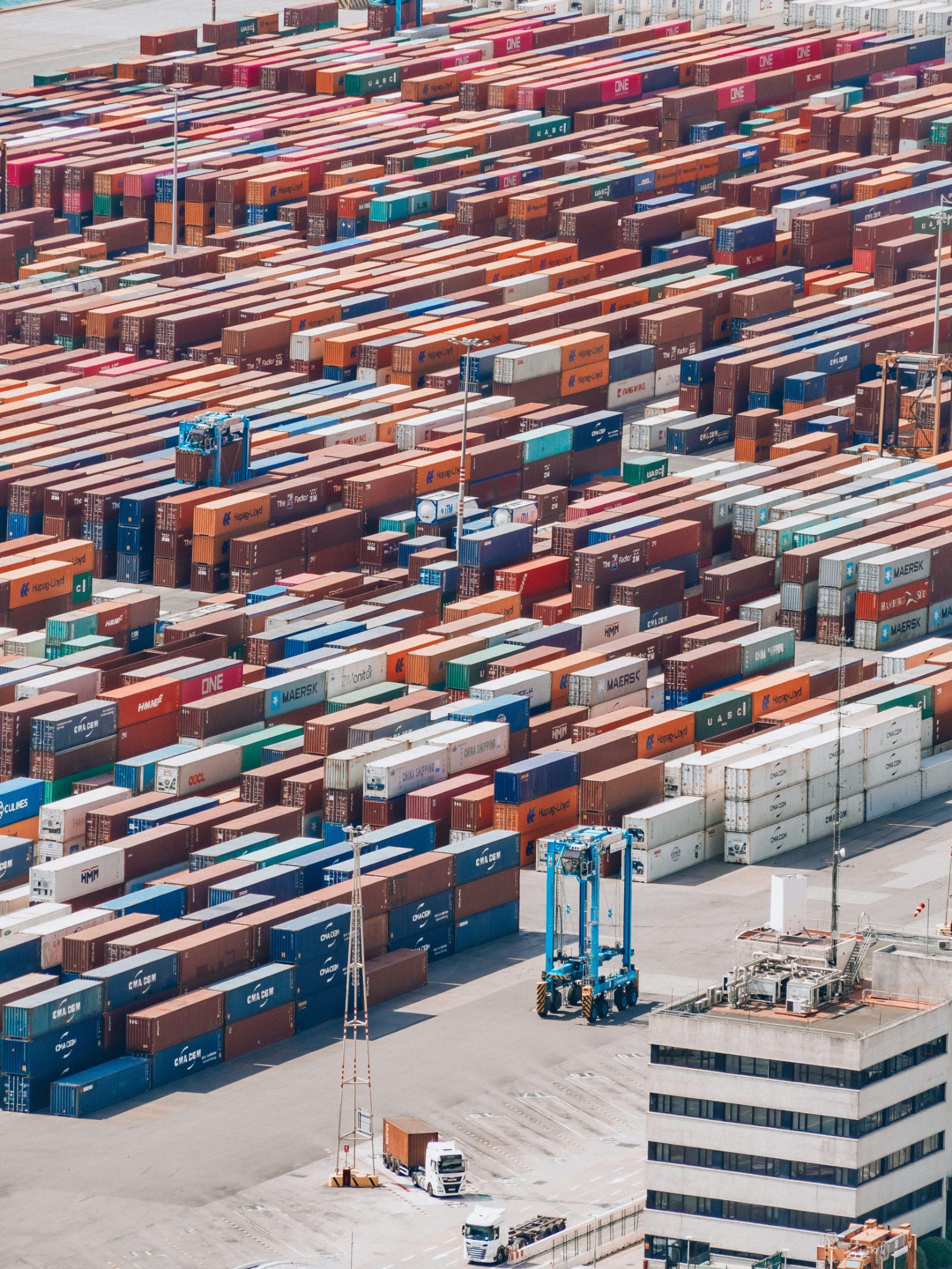
Tariffs. Not the most scintillating subject for a newsletter, but a punishing boogieman for all of us these days, whether we know it yet or not. Their impact on businesses (HERE) and therefore on all of us who buy their stuff is universal, if unequally applied. That we do know, but what are they really all about? Beyond flexing our economic muscle, that is, to intimidate allies and others alike. As the most powerful economy in the world, a fact about which we are repeatedly reminded, access to the American market is pretty much a must. So, yeah, tariffs. What are you gonna do about it?
It’s always good advice in trying to unravel a mystery, something that makes little sense, to follow the money. Who is benefitting and who’s paying the freight? When our beneficent leadership gifts us with a massive tax cut and reaffirms those doings just before they were scheduled to expire, all taxpayers benefit, right, but some of us far more than others. When Warren Buffet’s secretary pays a far higher percentage of her income in taxes than he does, and he tells us it is so, we can say with assurance that she benefits a little and he benefits a lot. Elon, Jeff, Larry: forgetaboutit!
Tariffs, on the other hand, are flooding the feds with billions of dollars from all the companies and countries who pay them. And who among us ultimately foots the bill? All of us pay equally, because regardless of what they say, the cost will be passed down. So tariffs are really another regressive sales tax, a fee for goods and services tacked on to the price. We give money to the rich and replenish the coffers from the rest of us. That seems fair, eh? It’s not like the kleptocrats are in control, n’est ce pas?
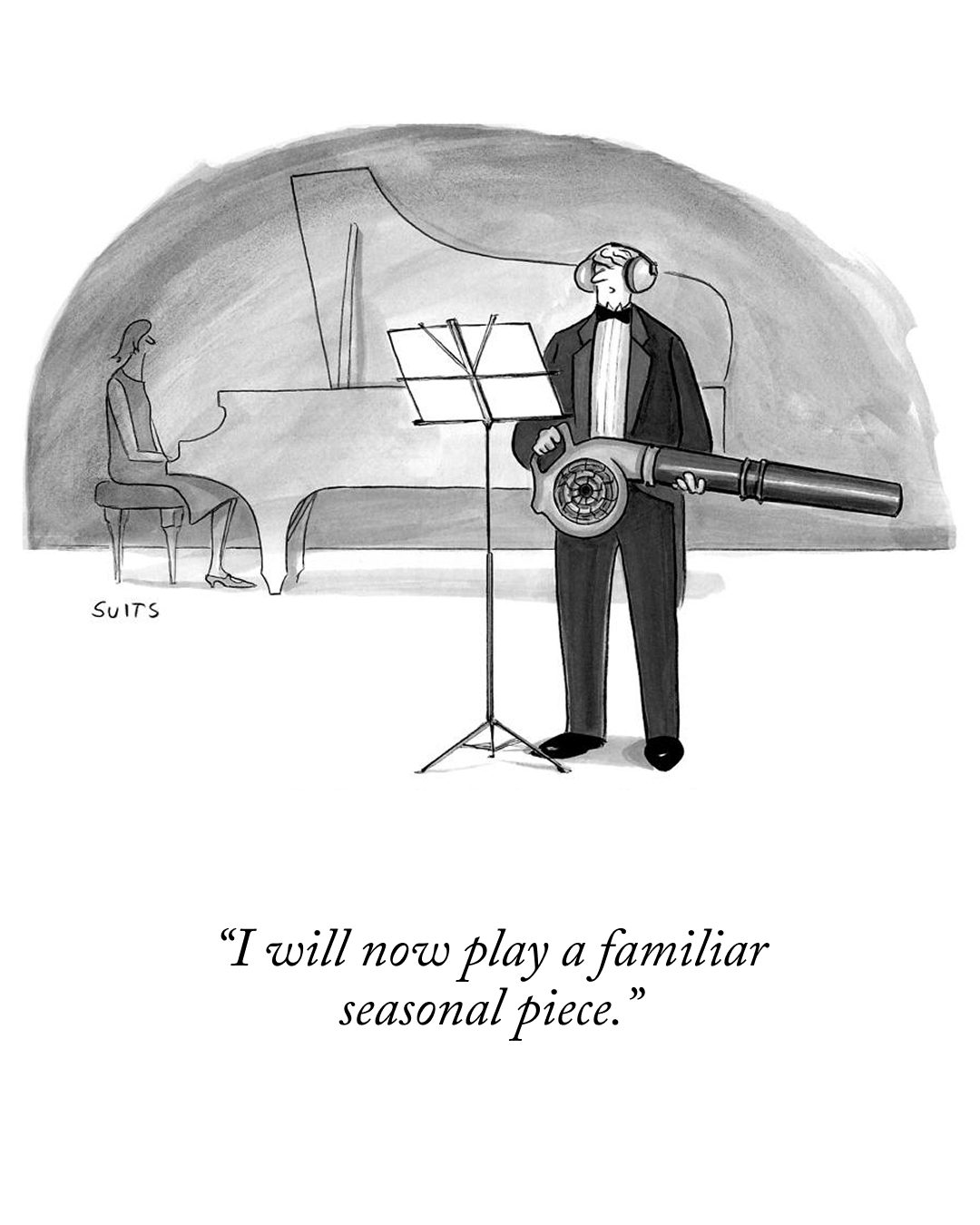
So, yeah, one of my enduring complaints about life in the city and even this little town. A thing I’ve always believed: if you don’t like it, do something about it. Change it if you can, learn to live with it, or just move on down the road to somewhere else. So we did. After nearly eleven years in one of those quaint, charming, and quickly deteriorating bungalows in the historic district of Ashland, Oregon, we moved across town.
Why? Peace, brother. Peace, sister. We came to think of it as the hysteric district, where folks from the Bay Area (and elsewhere) roll into town with fistsful of equity from the homes they sold and buy at ever inflating prices these cute little places they immediately set about remodeling. Extensively remodeling. And when the project is finally finished, they’ve had enough time to think of additional things that need to be done. So the drone of the power tools from the trucks and trailers lining the streets go on infinitum, workmen prowl the streets, and the construction zone cacophony sings.
But the neighborhoods are so lovely, with big trees that need pruning with big noise and each fall drop their copious leaves onto vast stretches of greensward that need weekly cutting and edging and blowing and going with two stroke engines that make a hellacious racket at one or another of the lawns on the block several times a day and spew more pollution in an hour’s use than my large car does driving 300 miles to Portland and another 300 back. So we moved to a newer neighborhood with nearly no lawns and beautifully landscaped yards of native plants and pollinators. Bear Creek runs through it. It is quiet by comparison. And settled. And peaceful. Give thanks!