May 2023 New Moon Edition
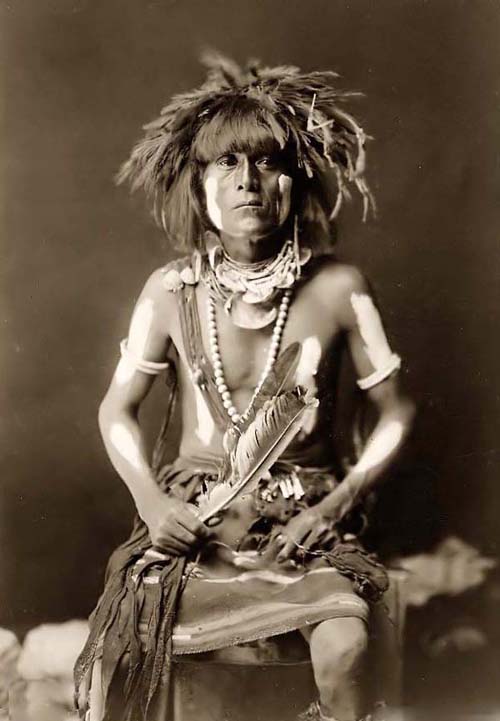
Then and Now
My generation had a sincere interest and deep fascination for Native American culture. We still today see historic images like this one posted in social media, often with quotes of Indigenous wisdom that seems especially profound in our current environment.
We too seldom see images of contemporary Indigenous peoples and their observations about their current situation. What do we know or care about their modern triumphs and tragedies? What wisdom do they have to impart to us today?
As much as ever, one suspects, if we take the time to listen. That’s been my experience in the conversations I’ve had in my lifetime with these folks where I’ve encountered them in cities and on reservations, and too infrequently in common social situations as I go about my way.
Which leads us to …
Media
MMIW
Do you know that abbreviation? Maybe you should.
It stands for Missing and Murdered Indigenous Women. Of all the shameful treatment we have visited on the native peoples of this country – and it’s a very long list – among the most egregious is that we turn a blind eye to the horrendous suffering of Indigenous women.
I’m not too often a podcast-listener, but I heard one recently that I must call your attention to and urge you to listen. It’s a conversation about an initiative by the Yurok Nation of Northern California to uncover the facts about so many women who are murdered or disappear.
Deva Davisson talks to Rosemary Beck, the Tribe’s Chief Prosecutor, and Julie Olivera, California’s first dedicated Investigator into the relentless tragedy that is national in scope if always until now largely ignored. The need is so clearly enunciated in this discussion and the facts presented are so overwhelming to contemplate, but it’s long past time we come to terms with them if we care at all about our fellow human beings.
In the interest of full disclosure, Deva is my daughter, which is one reason I was listening, but as you can see in the next piece, it’s a subject of concern to me for the years I’ve been aware of it. HERE.
Book
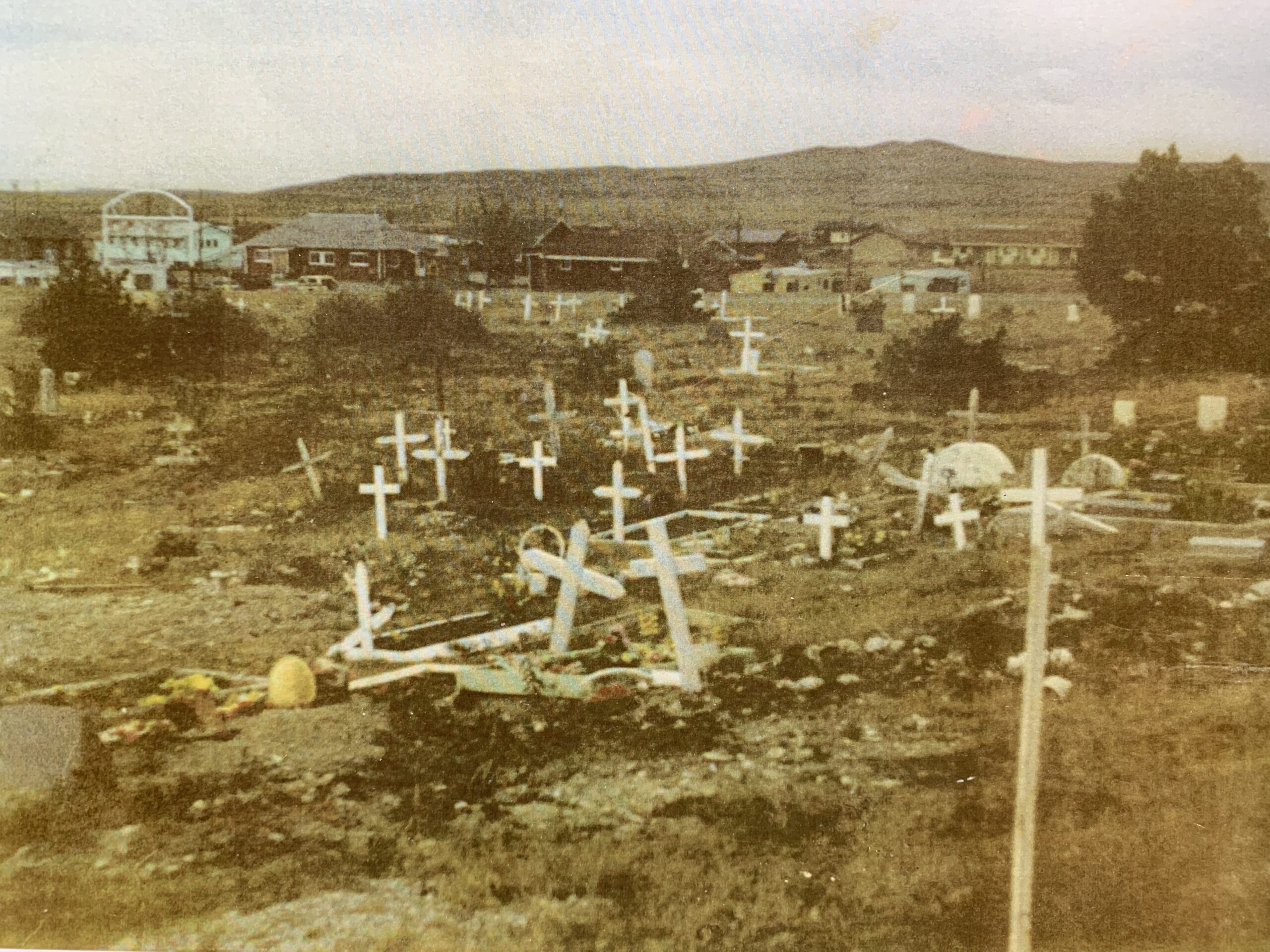
Where We Were: Adventures in the Last Best Place
by James Pagliasotti copyright 2020 All Rights Reserved
(to be published later this year) photo: Linda Wearley
But women hold things together. They keep the homes, check in with the Office for all the things that are required, like trust accounts, commodities tickets, annuities or lease payments, manage the money, pay the bills, make certain the family stays together as much as possible in difficult circumstances.
You wonder if part of the respect the old ladies command is simply that they’ve survived the gauntlet and pulled together some semblance of stability in which to have their say. They’ve earned a place of influence because they’re still there, functioning where so many don’t make it. Maybe it has always been so. You don’t know.
In your experience, there is no group of people anywhere as oppressed and mistreated as are young Indian women. If feminists want to bring a keen focus on the most egregious example of womanhood’s abuse, there is no more horrible portrayal in this country than what Native American women suffer when they are young, impoverished, and completely unprotected.