Full Moon Edition June 2025
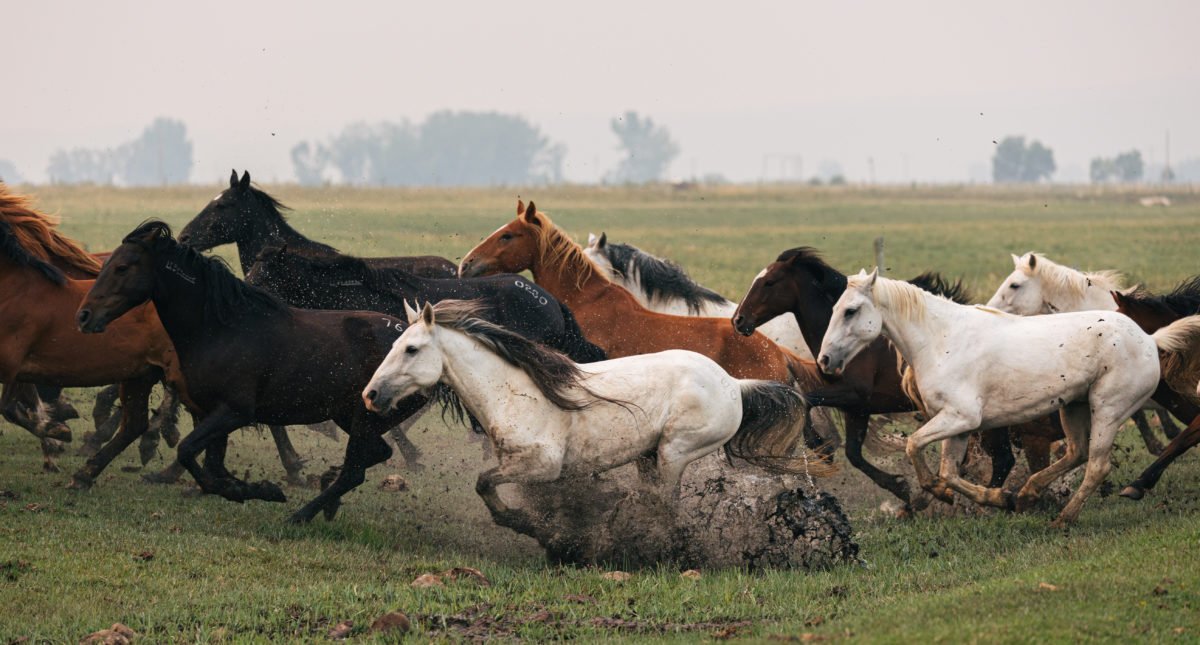
The current move to shrink some parts of the federal government feels like a slash and burn approach to downsizing. Unless we’re throwing away national treasures merely for the fun of it, we might give some thought to alternatives. Perhaps the exercise offers ways to establish new capabilities for resource management.
Dominion over the earth is at the heart of our culture. It’s the operating strategy and functional exercise of our government agencies. Exploitation is the goal. Maybe a little recreation, too. Land of Many Uses, we call it. Enterprise. Employment. Wealth. Raise riches from the land. We ask ourselves what good is it if it doesn’t produce? Can we think about what might be accomplished while we wield the downsizing ax?
There are people whose culture is focused on stewardship. They see themselves as an integral part of nature. Their goal is to live in harmony with the earth rather than dominate it. Where it is off-kilter, to restore the natural balance of life. The Indigenous word for it is rematriation. It’s a perspective we might benefit from if we have the good sense to recognize it and adopt it as a new approach. They can manage it for all of us.
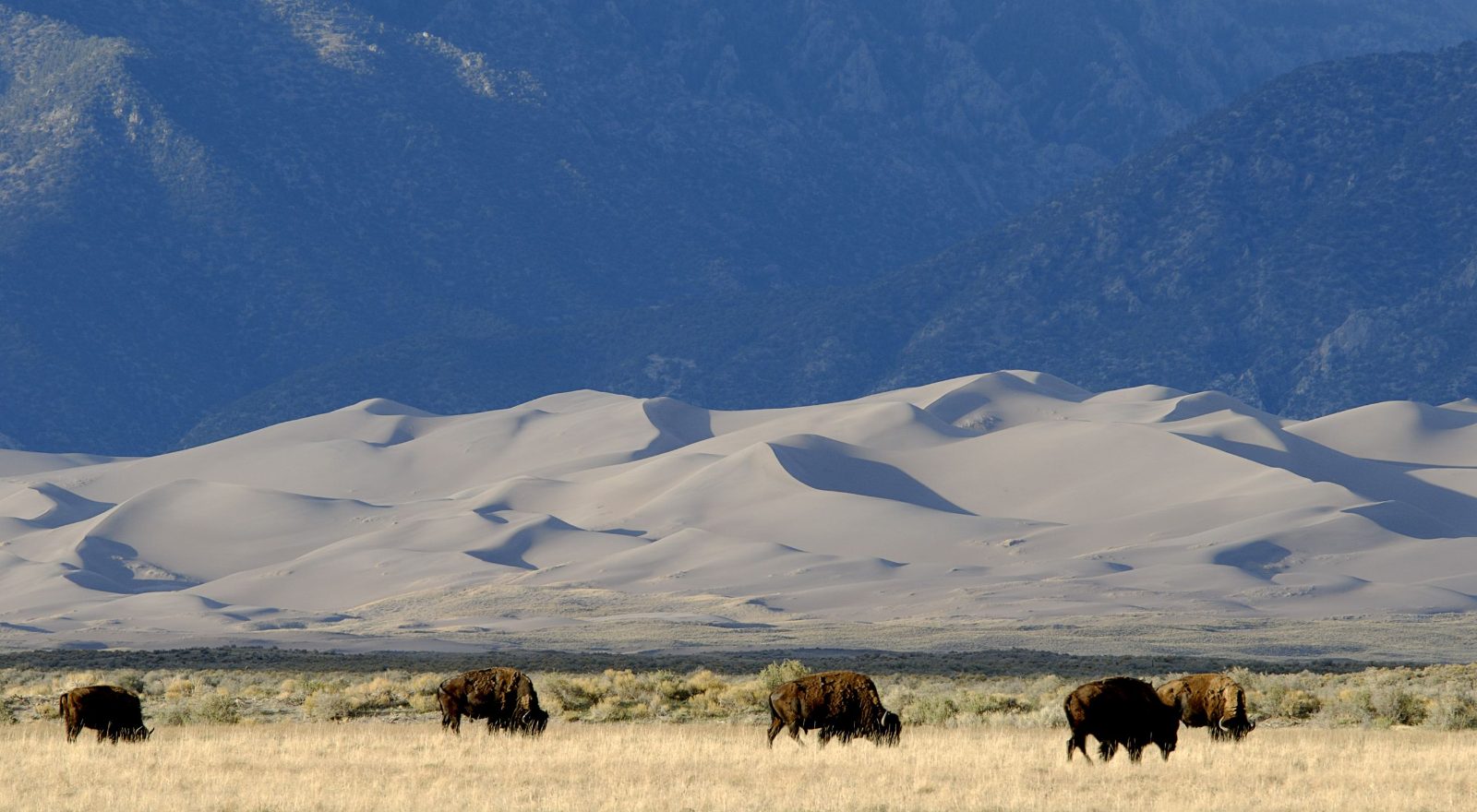
Indian Country collectively holds far more property in the United States than all the national parks and nature preserves combined. These sovereign nations are reclaiming their agency and bringing their legacy of visionary stewardship to the forefront in managing their lands. The return of buffalo herds is more than symbolic: they are a keystone species in restoring balance and harmony to the world.
Under former Interior Secretary Deb Haaland a number of projects were undertaken to share management of federal lands with native nations. Although they are too recent to fully evaluate, all signs are that they’re succeeding. Now that many of the agencies responsible for federal land management are being gutted, it would be an ideal time to consider a change of tactics and different tacticians.
Repatriation of people to their original land has it backward in the case of Indigenous nations; rather, we might restore the land – at least the public portion of it – to them. The management of federal lands historically has been to profit a few. This would be a perfect opportunity to shift responsibility for their stewardship to Native people with a heritage of living in concert with nature and of doing so for everyone’s benefit.
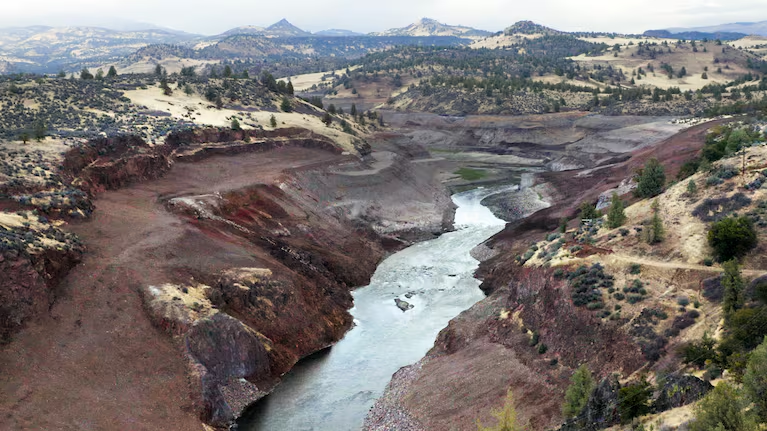
As an example, for the first time in a century, salmon have returned to the headwaters of the Klamath River. If you live in Southern Oregon or Northern California, you have heard this story as it’s unfolded over a few decades. If you are one of the Indigenous tribes of the area who have been suing all that time to reclaim this river, you have worked relentlessly for what became a highly successful outcome.
What had once been one of North America’s greatest salmon habitat was sacrificed to the hydroelectric power industry. A coalition of farmers and ranchers wanted the energy to work their newly bought and paid for but nonetheless stolen land. A way of life for Native tribes that was severely compromised was further devastated by the progressive destruction of a fishery that had been at the heart of their culture.
No sooner were the four dams finally removed and the free flowing river restored than the salmon began returning to their original place of birth. Within a season, they were swimming upstream hundreds of miles to spawn by the thousands. Much of the land formerly submerged behind the dams is being reclaimed by Native tribes, the Shasta among them. A landless tribe without even a reservation now has some 2,800 acres on which to build a community center for ceremonies and a sense of place.