Full Moon Edition February 2026
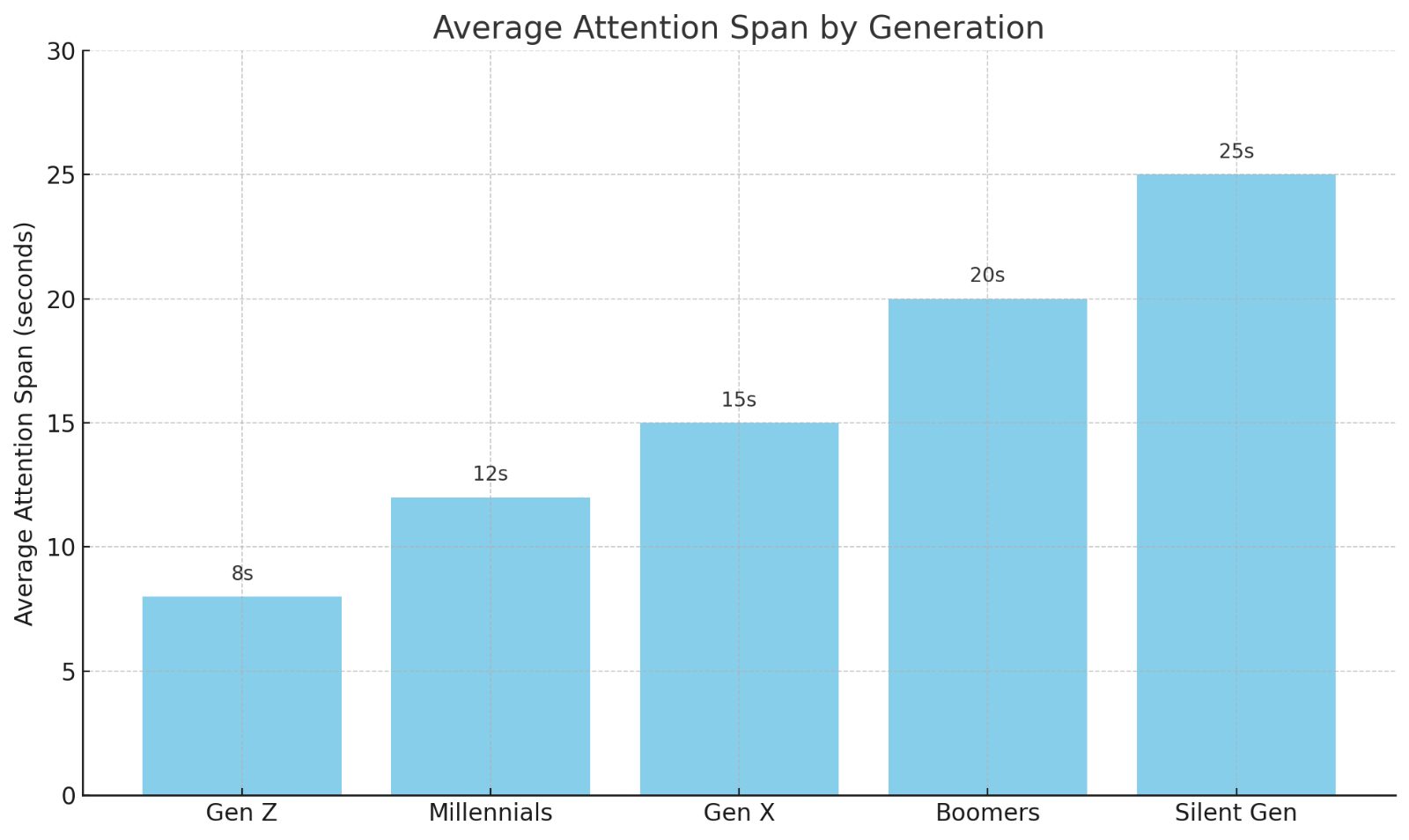
Do you have difficulty concentrating in the current daily onslaught of mayhem and mendacities? Do you ever wonder if that’s as it’s intended? Persistent distraction as a sort of soporific, an opiate of the masses whose nerves by now are so frazzled by all the contrived versions of reality that any notion of recovery has been abandoned and like feeding addicts, more and larger doses of toxicity is the only choice.
What do you believe in these days? Tradition? Change? Nihilism? A better future? The novelist William Gibson famously said, “the future is already here, it’s just not very evenly distributed.” The Post-Growth Institute (HERE) in its most recent newsletter suggests that statement applies to the collapse of capitalism as well. It’s already collapsing, just not evenly. It does seem that our economic system has stretched to the breaking point and the distribution of its benefits has narrowed to a very few.
What comes next, we might well wonder? The optimist in me likes to imagine this moment in time as the last rave up of an aged band with the crescendo coming in one rapturous blast of “enough already, let’s be done with this noise” after which we settle into a space of quiet, blissful contemplation. Polly and Anna both agree that we can and will do better once the band snaps and the tension is released, where we can recall what it is to consider possibilities rather than simply react to what we’re fed.
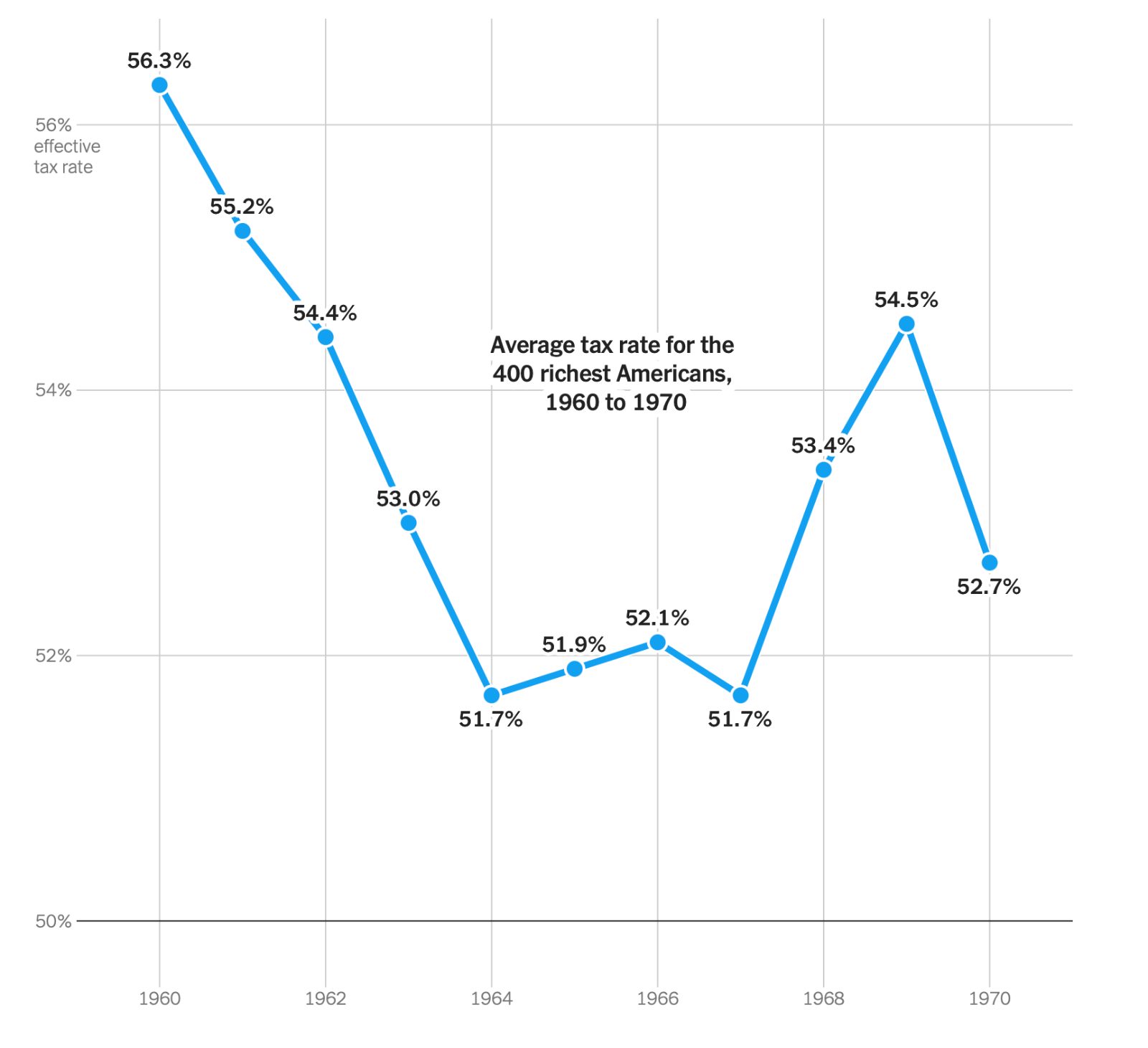
Back when we had a middle class in America, the wealthy ponied up about half their income in taxes. The two parts of that sentence are not coincidental. Three things changed dramatically over the next fifty years. In 1980, and twice again since, the corporate tax rate plunged. A companion to it was the rich learned to forego income and instead gather equity. The third is the middle class and the prospective benefits of the American Dream vanished for the vast majority of our people.
Do you believe in the free enterprise system? The message supporting it by now is so finely honed and deeply inculcated in the viscera of who we believe ourselves to be that antibodies spring to its defense at the slightest challenge. One is immediately suspect, a socialist no doubt and likely as not under that scaly skin actually a Marxist, to dare question capitalism and its demonstrated capacity to elevate our means.
Competition brings out the best in us. Anyone who’s willing to do the work can get ahead. Fear of failure is a great motivator. Early to bed and early to rise gets the worm, something like that. We know in whose workshop idleness dwells. There are germs of truth in those seeds of the canon, and despite the steep tilt of the playing field, the inequity of opportunity, and the self-perpetuating strategies to preserve and expand wealth for the wealthy, the free enterprise system has its merits. If the beneficiaries would simply shut up, pay their share of taxes, and support the social contract.

A rising tide, as they say. While the fortunate few these days sail the turbulent waves in yachts of conspicuous luxury, the rest of us are parked in our various vessels on bogs of debt. When work pays too little to meet the cost of living, two income families are the necessity and many of them managing multiple jobs each, it’s credit extended at usurious rates that floats our boats, with banks serving as hydrologists.
The indebtedness of the American public is spectacular (HERE), partly because we buy more than we can afford but at a more basic level because the cost of survival can exceed our available funds. Buy now and pay later has a terribly seductive appeal, especially if it’s food and shelter you’re paying for. And if you understand compound interest, which Einstein himself called the most powerful force in the universe, you see very clearly why those who pay interest suffer where those who collect it prosper.
The purveyors of free enterprise have perfected the system to the degree that very few benefit greatly from the expenditures of very many. And they horde the take. The money no longer circulates but rather bubbles up from the poor to the rich in a steady stream of harvest. Then it disappears into numbered accounts in tax havens never to grace the marketplace again. Polly and Anna have a solution: fund Basic Income with a 50% tax on one’s increase in wealth each year (HERE), and let free enterprise flow.