Hints of Spring Full Moon Edition April 2025
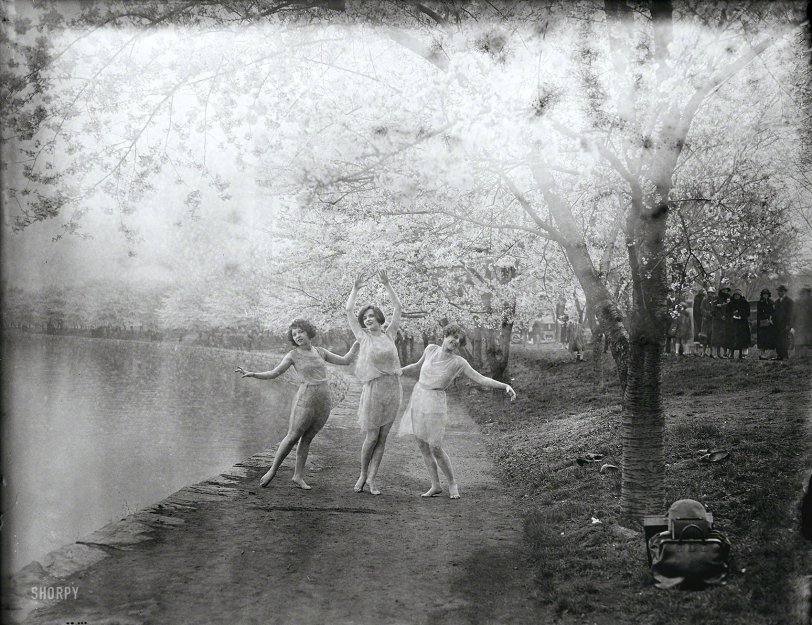
Is it fair to say that a few degrees and a little more sunshine make a difference in our mood? This photo is only 98 years old but it wears well in what it conveys. Springtime! What more do we need to lift our spirits? Well, we can think of any of many dozens of things that would make this tattered old world of ours a better place, but then, as we are told, we gotta play the hand we’re dealt. And it’s a tough one, about that there is no doubt. Spring reminds us though that everything is cyclical and the colder the winter the cleaner the season to follow. May it be so.
When I was a young man and dinosaurs roamed the earth, California had the finest public education system in the country. Pre-K to post-grad, no one did it better. That was before the Reagan years and Proposition 13, which greatly reduced property taxes in the Golden State and cast their educational fate to the ways of supply side economics, that golden calf of conservative thought. It served public education not especially well but then if you can afford to live in California, who needs learning?
I was interviewing for a teaching position in continuing education at a distinguished California university recently. The moderator asked what ideas I might have for increasing attendance at their courses, which compared to programs in Pennsylvania and Montana among many others where I’ve taught were far less well attended. My first thought was the question was beyond the purview of the position. My second was that it’s always spring in southern California and why would any reasonable person choose a lecture when they could be riding the waves or walking the beach in that exquisite weather. Maybe Ronnie knew all along education was a waste of money.
Last week, I mentioned meeting Muhammad Ali and the tongue-tying effect it had on me to be in the presence of the Champ. Thinking about that long ago moment in time, I remembered an earlier meeting with a magisterial presence and what I learned from him. Sometimes you kind of know what you’re talking about without knowing there’s a deeper truth in play. Folks who’ve been there can hip you to it.
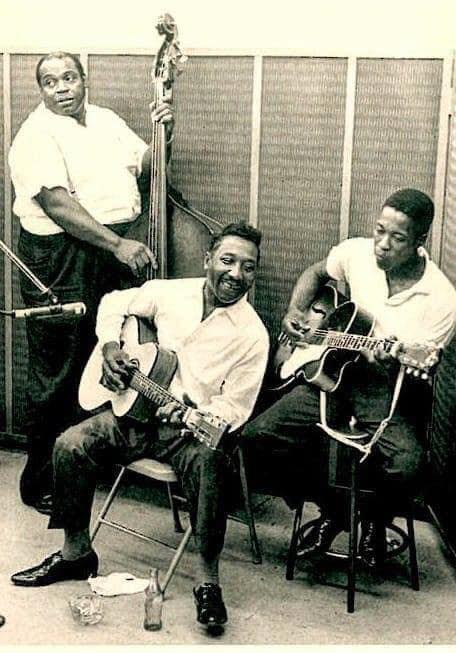
It was maybe 1970 or 71 and Chuck Morris booked the Muddy Waters band for a few nights at his club, Tulagi, in Boulder. I arranged to interview the man and was jazzed about the opportunity. When I arrived at the club and was ushered into the dressing room between sets, there were all these very laid back guys in grey suits and crisp white shirts with black ties loosened at the collar, smoking cigarettes and playing cards, while I waltzed in wearing bell bottom pants over rainbow colored high heeled boots and hair down to the yoke of my embroidered cowboy shirt. Muddy just smiled.
There was Pinetop Perkins, Big Eyes Smith, and all these other very cool cats giving me the once over and going back to their card game while I sat down at a table with the great Muddy Waters. I really wanted to show respect and so I asked with absolute sincerity, “Mister Morganfield, how do you feel about the renewed interest in the blues these days?” He leaned forward, looked at me with that big, meaty face of his and said, “Son, I’ve played 300 gigs a year for the last 30 years. Don’t mean shit to me.”
Every culture has its origin story. Where did we come from? How did we get here? Those metaphysical questions we all spend time pondering. Many of the different nations, tribes, and clans of Indigenous peoples have in common origin stories that feature the turtle and, in fact, know this land we call North America as Turtle Island.
Mojo makes you sit up and take note. Seen from space this continent easily can be envisioned as a sea creature plying the waters, which is confounding because the people who named it likely never saw it from that vantage point except in dreams. Imagining themselves as children of the mother turtle riding on her back through the seas is a feat of lofty perspective. So too is recognizing in the segments of the turtle’s shell a vivid illustration of the lunar calendar Native people traditionally follow.
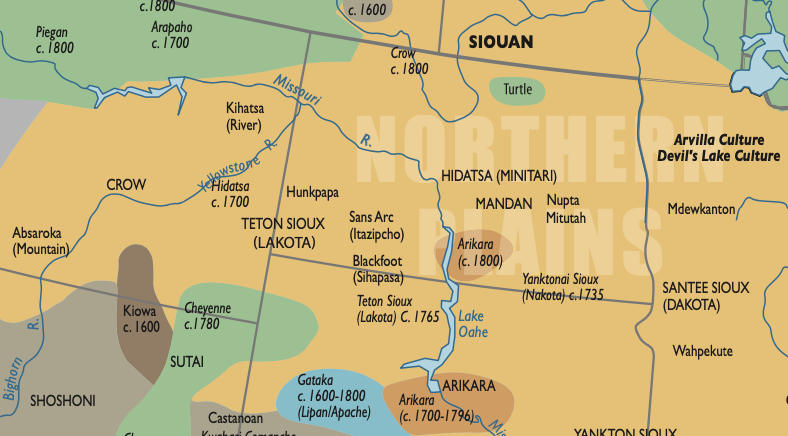
Perhaps then we shouldn’t be surprised when we look at the map above and see the tiny green oval near the border between North Dakota and Canada that says “Turtle.” It is the land in late historic times of the Turtle Band of Chippewa Cree at the heart of which is Turtle Mountain. And perhaps we shouldn’t be too astonished if we pull back again to the view from space to learn that Turtle Mountain is at the exact geographic center of the North American continent. Turtle Island indeed!