Full Moon Edition March 2024
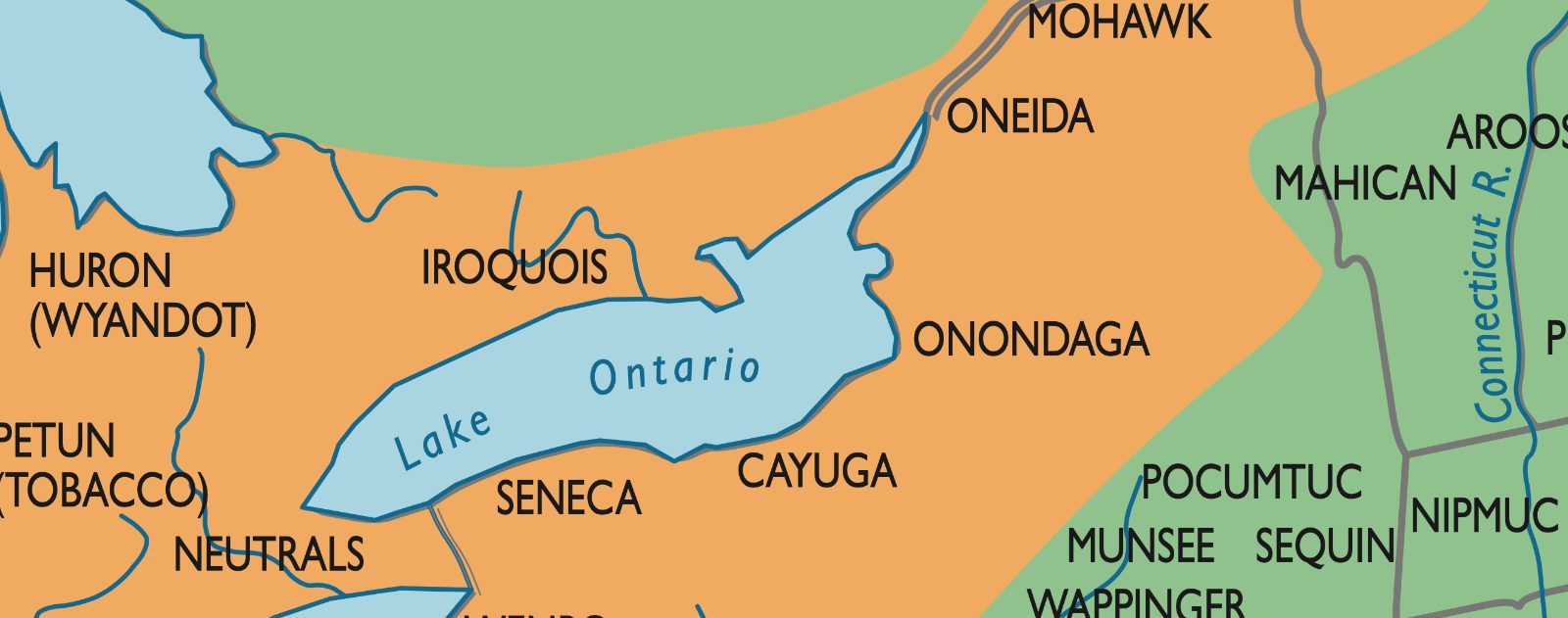
The Onondaga people were part of the mighty Iroquois Confederacy, the Five Nations as they became known to the Colonialists in their initial push westward into the area of the Great Lakes. The Onondaga occupied a vast track of land on the eastern shore of Lake Ontario in what is today central New York state. Their neighbors to the north, the Oneida, were another branch of the family.
In 1794, they signed a treaty with George Washington himself that guaranteed them title to 2.5 million acres of their traditional homelands. Today, those lands are the site of the city of Syracuse, highways, shopping centers, industrial, office, and residential buildings, universities, and 24 Superfund sites, including Lake Onondaga, which once was said to be the most polluted body of water in the country. What little is left to the Onondaga Nation is a 7,500 acre parcel of land south of town (HERE).
The depredations visited on the Indigenous peoples of North America are beyond shameful. It is a travesty of such magnitude that the word “reparations” is moot. What could possible compensate these people for the loss of their land, let alone their very way of life? It is incomprehensible and overwhelming to contemplate. If we can’t repair the past, though, perhaps we can think creatively about the future.
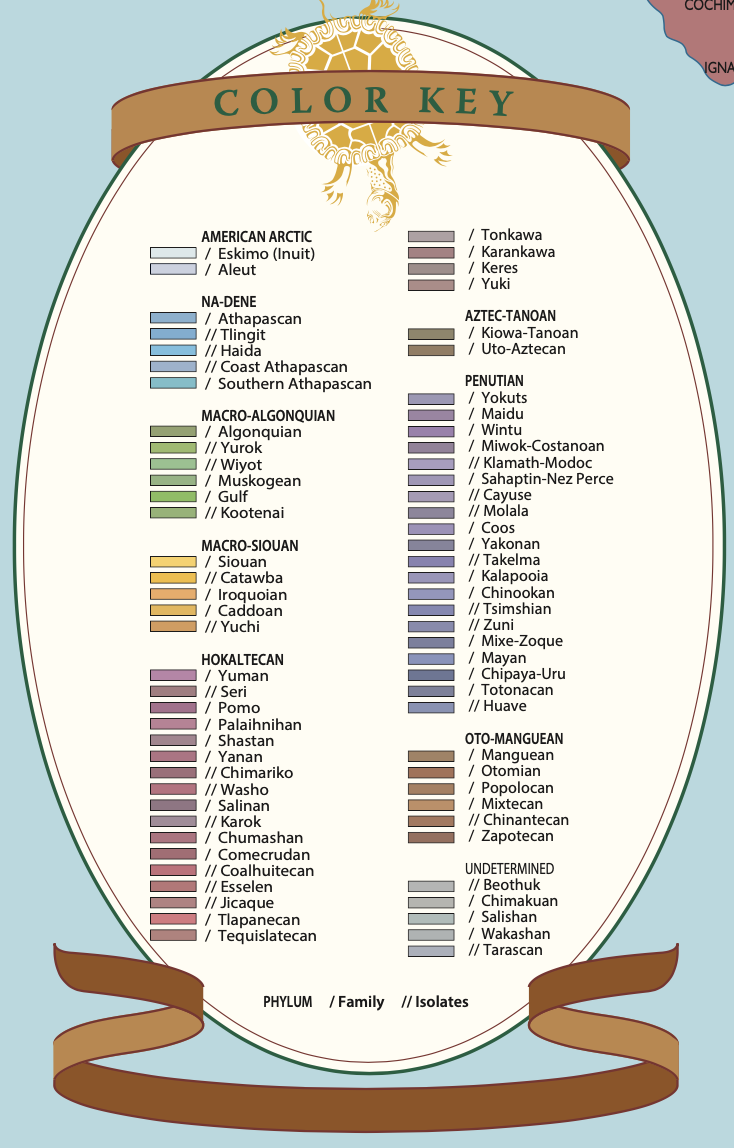
We talk a lot about diversity. Respecting it. Valuing it. Working to achieve it. In Native North America, there were more than a thousand distinctly different groups of people, nations, tribes, sub-tribes, clans, families, with their own languages and dialects, their unique cultures and customs, specific mythologies, origin stories, legends, sagas, epic struggles and achievements, their particular way of life.
Those of us who discovered them here made many different images of them in the popular consciousness, as primitive people, heathens, savages, warriors, orators, even diplomats. What we never did was know them as people. People with families, responsibilities, aspirations, dreams, fears, who achieved things and also suffered loss. People who found a place within a world of riches, challenges, and mysteries where they could live harmoniously with the rest of the natural order.
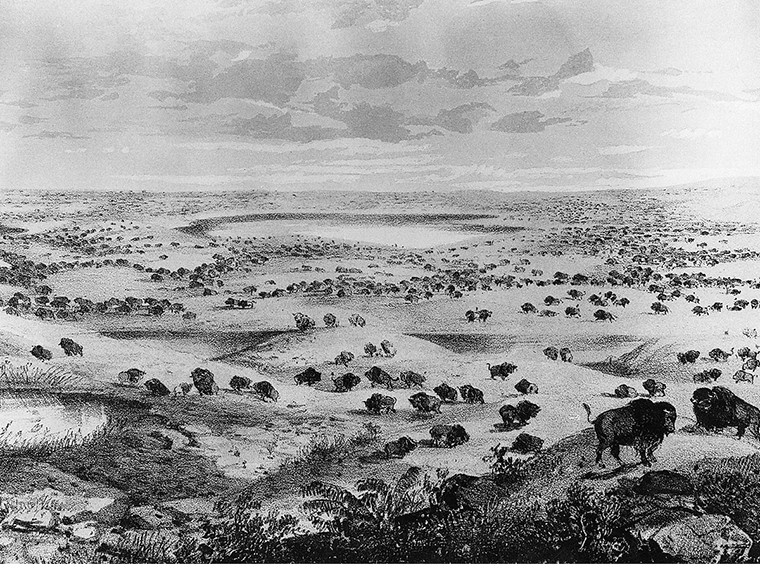
We found a place of abundant resources here and set about exploiting them. Over a few hundred years, we denuded the land, damned the waterways, and poisoned the earth in building an estimable economic engine for creating wealth. To do so, we eradicated most of the people we found here and simply took their land.
History is written by the victors. They also make the laws and the courts that interpret them. Indigenous people are by law deemed to be incompetent. As wards of the state, their affairs are managed for them and their assets held in trust.
Native peoples were not allowed to sue in New York state on their own behalf until 1987. “But just 18 days after the Onondaga filed their petition, the Supreme Court rejected the Oneidas’ case. The decision referenced an colonial-era legal theory known as the Doctrine of Discovery, which holds in part that Indigenous property claims were nullified by the “discovery” of that land by Christians.
The “long lapse of time” and “the attendant dramatic changes in the character” precluded the Oneida nation from the ‘disruptive remedy’ it sought, Justice Ruth Bader Ginsburg wrote in the majority decision (IBID).” So spoke the victors about the past and the present and how little has changed in their thinking. (emphasis added)
Nevertheless, change is afoot. Native peoples are taking significant steps to reclaim their heritage, their language, their culture, if not their lands. We might think about ways to reassign the management of public lands to Native nations as a modest step toward repatriation. People who traditionally excelled at stewardship of the natural world might make outstanding administrators of the public land trust on behalf of all of us. It seems like an idea less outlandish than particularly fitting. Perhaps even just.