New Moon Edition April 2024
This newsletter had its humble beginning when we founded the Center for the New Northwest in 2016 as a place to talk about social systems and solutions. We wanted to ask questions about the status quo, which was increasingly untenable. Was there a better way to do what we’re doing? That was question number one.
Society is rife with problems. They tug at our heartstrings and incite our emotions. We see people suffering, witness injustices, lament our failures, and fear for our future. Our economy increasingly concentrates wealth in the hands of the elite and leaves the rest of us uncertain if not like too many others unhoused and unprotected. The middle class is vanishing. Our house is divided. We can’t help but want to do something.
So many of our problems are systemic, bigger in nature than well-intentioned groups or individuals can solve. They are basic inadequacies of the social structures we’ve designed to deliver solutions. In a nation with vast resources, we wonder why we can’t do better. We learn those systems over time too often come to support themselves rather than those they were meant to serve. They become the self-licking ice cream cone.

Think of the systems that populate and bind together our social structure. Government, economic, defense, energy, transportation, education, communication, entertainment, and that very shaky apparatus that provides the safety net.
These systems have things in common. They are institutions, constructions, cultures, places where people work, build a career, evolve processes and best practices. In many cases they are where our individual identity is formed. Over time they become set in their ways and we with them. We know how to do it and don’t like interference.
Changing them at all, let alone dissolving them, is no small matter. There is a whole lot a scaffolding to disassemble if you want to get back to ground zero and start anew.
But what if you did? What if you thought of a solution to a problem and wanted to design the system to deliver it? Maybe not the perfect solution but something far better than what is now in place. Is it something we could consider, let alone effect? For example, how about a really big problem: reparations for Indigenous Peoples. Where would we even begin to address the losses they’ve suffered at our hand?
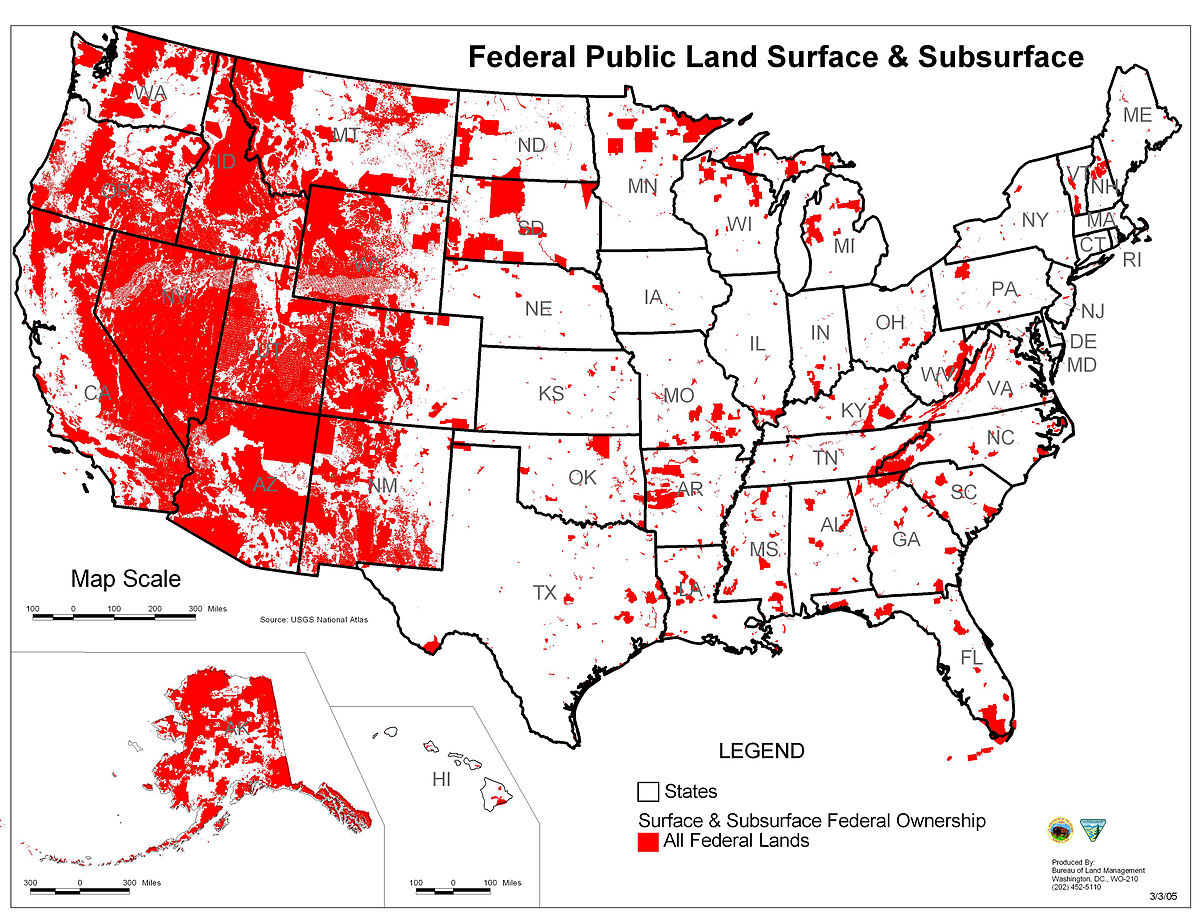
We could start with a small but significant step: put them in charge of managing our public lands? Offer them stewardship of some of the lands we took from them and suggest we share them under their direction. Interior, BLM, the Forest Service, Fish and Wildlife, these Federal agencies have been a disaster. Why not let people who know something about living in harmony with the earth and its creatures have a turn at running public lands on our behalf? How different might it be?
The native nations and tribes of this country are regaining their agency, recalling their languages, rebuilding their culture and teaching it to the next generations. They are running their reservation lands with expertise and reestablishing their relationship with the land beyond their reservations. Increasingly, they are demanding a say in the way those lands are managed and calling Federal agencies to account (HERE).
There is some evidence of openness and cooperation from those agencies (HERE), but whether it is merely lip service to the flavor of the month remains to be seen. We could benefit in so many ways from the application of traditional wisdom in the use of public lands. However disorienting, we suspect it would be a distinct improvement.