Black Moon Edition November 2024
Black Moon, yes, because there are two new moons this month and, as the second full moon in a given month is a blue moon (according to one interpretation), the second new moon in a month is a black moon. That seems to make sense.
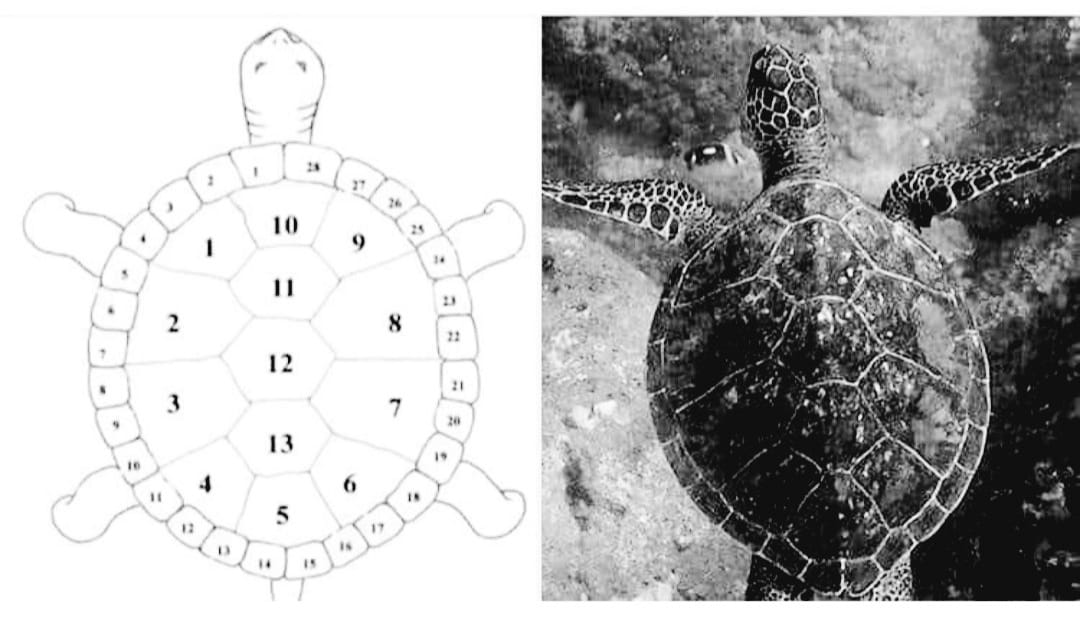
It does bring to mind, though, the oddity of following a lunar calendar, as we do here at TQT, while living in a society that calculates its time by the sun. The Indigenous Peoples of this land kept track of the days and the seasons by the rhythm of the moon as it waxed and waned. There were 28 days between one full moon and another, and 13 full moons between one solar equinox and the next. Still are, in fact.
The reason many of those peoples referred to this land we call North America as Turtle Island is a more elaborate tale, but the shell of a turtle constitutes a graphic delineation of the lunar calendar that is pleasingly ethereal or simply dumbfounding, depending on your receptivity to life’s exotica. Either way, the turtle knows.
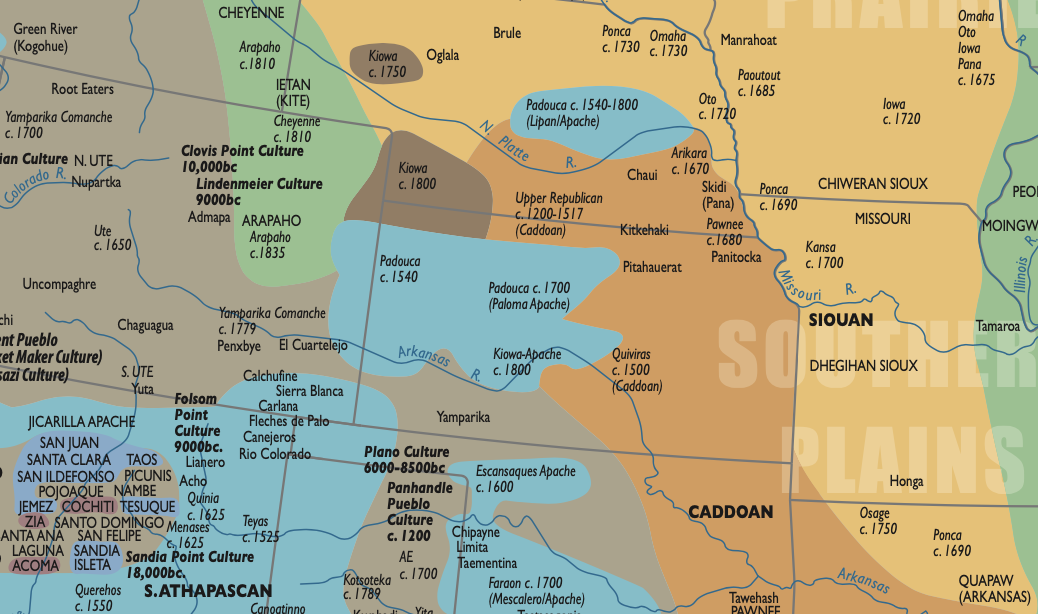
The culture of a people is centered in its language, the words with which we express a thought or what we see or how we feel. Words are the vehicle that allow us to express who we are and communicate it to others. It was therefore no small thing that among the many treacheries we inflicted on the Native Peoples of this land was the strident effort to strip them of their languages. Assimilation, we named it.
There was a time in this place we call North America when more distinctly different languages were spoken than perhaps anywhere else on earth. If we celebrate the inherent value of diversity, then Turtle Island was the place that expressed it in full. Each of the different colors in that one small window above represents a specific language phylum, a root language; but most of the various tribes and clans even within the same phylum spoke a version of their language distinct enough from the others there that they required sign language to fully communicate. Now we want everyone to speak English. We might wonder what is lost in the process.
It is especially heartening that so many tribes of Native American people now are fully reclaiming their agency as sovereign nations. In many places those efforts include reestablishing their native tongue (HERE) as a central element of their ability to communicate their cultural values to each other; and, increasingly where they choose to do so, to share those values and the language that expresses them with the rest of us. All of us will be the beneficiaries. It’s our history, too.
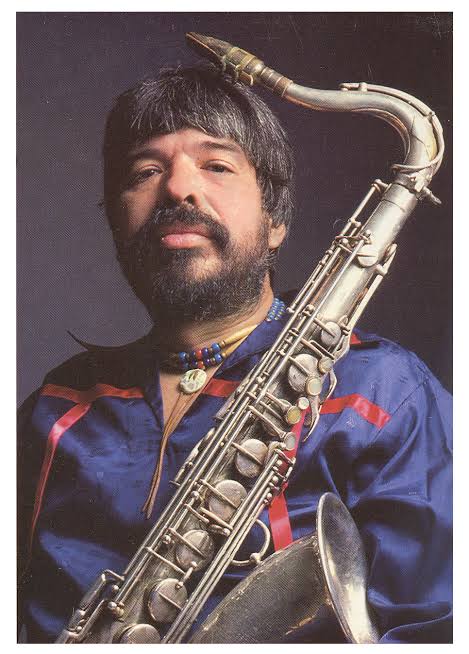
Six degrees of separation, right? The music producer David Ackerman introduced me to Chip Baker, who among his many other accomplishments founded KSPK-FM radio in Walsenburg, Colorado many years ago and demonstrated what true community radio done right is capable of accomplishing: it was so successful in shaking things up it eventually got him run out of town by the county pashas. Hence our interest in interviewing him (HERE) for our Freeform Radio website (www.radicalradio.media).
Chip was a musician, too, with the band Everything Is Everything that in 1969 recorded Witchi-Tai-To with Jim Pepper, the Muscogee-Kaw composer-saxophonist. Pepper along with Larry Coryell, Bob Moses and others was a founding player of what came to be known as jazz fusion. His song incidentally was the first and only with an authentic version of a Native American peyote chant to make the Billboard charts. He passed away in Portland, Oregon at age 50 in 1992. His home there was added to the National Register of Historic Places last year.
Not long before Chip and I spoke, I had been assembling a few popular songs by Indigenous musicians for a class I’m teaching. Among them was Pepper’s, and tunes by the Band’s Robbie Robertson, and Jesse Ed Davis, the Kiowa guitarist. It was just announced (HERE) the Bob Dylan Center in Tulsa, Oklahoma is featuring a show about the work of Davis, a tremendously influential musician who was highly regarded by his colleagues in the business and like so many of them died way too young. Having met a couple of those talented musicians at one time or another. I’m pleased they loop back into my life through new acquaintances like Chip. Rock om! (sic)