Full Moon Holiday Edition December 2024
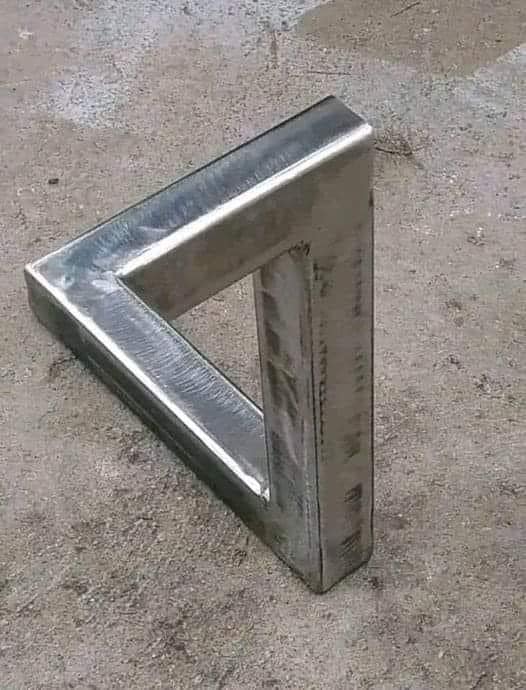
Perspective. Having it. Keeping It. In this case making sense of it. Where perception is reality, what you see is what you get. But if the eyes deceive you, well, what then? We were raised to believe a picture is worth a thousand words. We have entered a digital warp where an image can launch a thousand lies. “I saw it for myself,” he said. “But it wasn’t real,” she said. Does she speak the truth or should he trust his eyes?
There are no actors any longer but only programmers. Visual forgeries are state of the art and we are maniacal consumers of imagery. The credibility of what we see and the credence we give it is the responsibility of the observer (HERE). The creator of the deception has virtually (so to speak) no liability. Fraud moves too quickly to pin the culprit to an incident. Damage is so yesterday; our attention long since has moved on.
Brain scientists like Timothy Leary in the 1960s knew what was coming. They said that psychedelics were only a primitive means of manipulating our grey matter. The time would come when electrical stimulation would feed our addiction to imagery. Before the age of wireless they imagined probes connected to the brain would fire up the centers of pleasure. Instead we absorb it through the eyes. But they knew, as well, that perverse purposes were equally possible and commerce foremost among them was likely to be served. “The human brain is starved for electronic stimulation; (it) is addicted to light.” (HERE) What that light brings may be darker than we know.

What is it that compels us to make art? If you were sitting in a cave in what is now Germany 40 millennia ago, a belly full of recently killed mammoth sating your hunger and a generous fire warding off the evening chill, would you look at those two tusks of ivory lying in the dirt nearby and say to yourself: I think I’ll carve a human figure?
Maybe it never had been done before. Maybe you saw someone else do it and you wanted to give it a try. This Venus figure is said to be the earliest sculpture of a human ever discovered and whether or not it is the first one ever made is beside the point. What it calls to mind is the question: why? Why does the artist want to manifest an image in the mind?
We assume people need to express themselves and they choose among many means. Some philosophize, some argue and fight, some go hunting, some make art. Of them, what tells us most about the communicator is the one among them who makes art. There is something essential in the act that speaks to us across the ages and prods our common humanity. It’s as though we might have known this woman.

Perhaps even more mysterious is why we collect things, art or not. There is evidence that Neanderthals some 40,000 to 55,000 years ago may have been among the earliest collectors of things other than tools. For what purpose no one knows. (HERE)
Maybe they were gift-givers, or possibly just youngsters who gathered the loot simply because like kids everywhere they found certain things to be fascinating and worth hanging on to. Maybe instead they were the first hipsters, gathering stuff just because they thought it was cool and worth taking home to decorate the cave.
In honor of the most recent Art Basel Miami just put to bed, we are reminded the next time you attend THE art opening at THE gallery and watch all the swells swarming the premises supposedly in search of the aesthetic lift and maybe in truth just making the scene, what you see may be the genetic urge of genes that reach back very far into prehistory of hominins only distantly related to these Homo sapiens on the prowl.