New Moon Edition January 2025
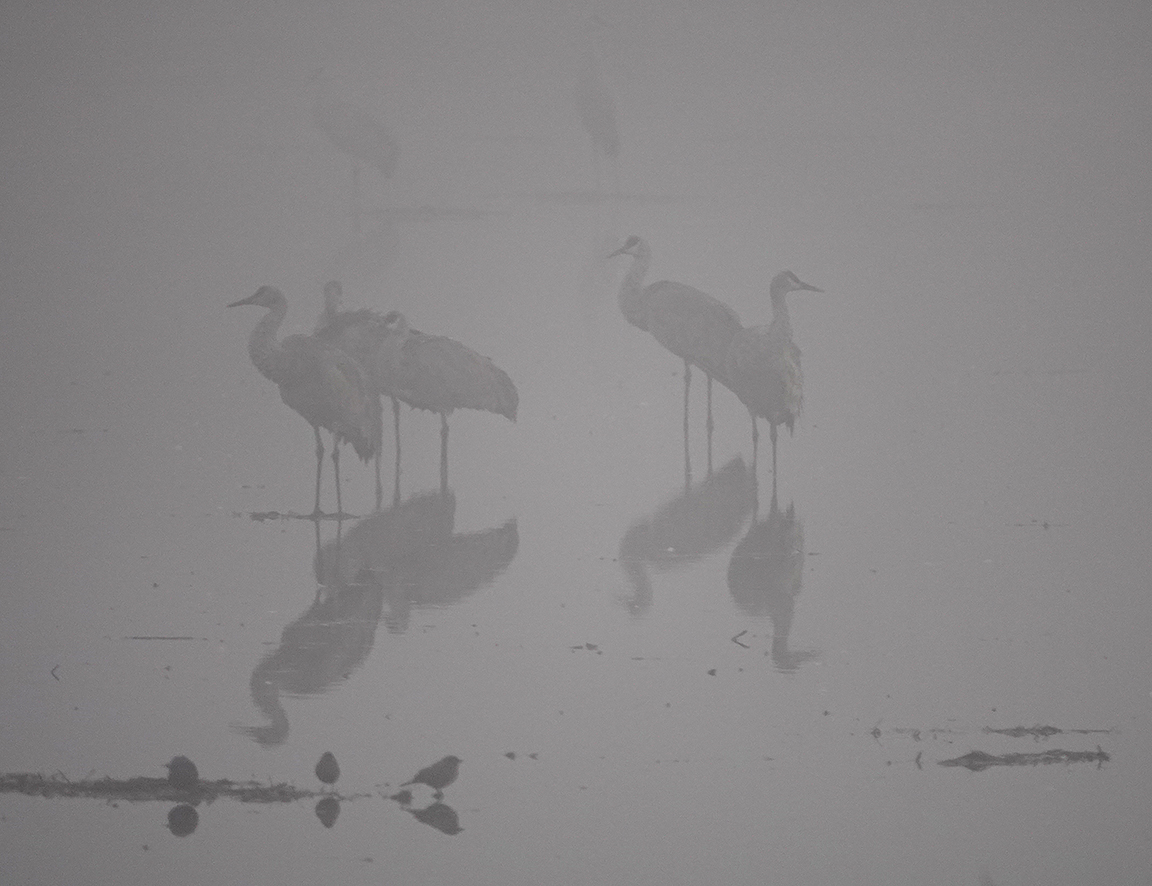
Well, it’s winter, after all. A new year, new administration, not so new sense of society in upheaval. Images of sandhill cranes in a fog. It seems the next line should be: the sun’ll come out tomorrow. Would you bet your bottom dollar? We can only hope, but reality makes optimism a persistent struggle.
Once in a lifetime it snows in New Orleans. My friend Jamie Dell’Apa, hard by the French Quarter where he creates his great radio shows (HERE), told me on the 21st there was a good eight inches of snow on the ground and he wasn’t talking cocaine. It was the frozen liquid crystals that fall from the sky. Snow in the Gulf of America née Mexico, too, just to further confuse the issue. Who thinks up this stuff?
When I was fifteen, I read Camus’ Myth of Sisyphus and existentialism came into my thinking. It was the gateway drug to the Theatre of the Absurd, Ionesco and Beckett, all of that rumination on the meaninglessness of life, being without purpose, motion as puppetry, incommunicado self. What would seemingly lead to despair instead was revealed to be a path to liberation, a sense of freedom, of relief. I had no idea how handy that concept would be over the course of my days in the maelstrom. When the inexplicable and nonsensical arrives, I look for those creatures of flight in the fog.
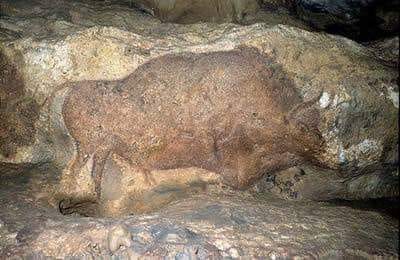
Isn’t art that godlike quality of making something from nothing? That’s how it seems to me. There is the rock wall of a cave and then there’s a buffalo decorating it. Where did it come from? Who made it is one question but a bigger question is why? What is it that drives people to express themselves in ways permanent or profound?
Whoa, more existentialism coming our way, it seems. But I think a lot about what inspires creativity. Lately I’ve been thinking a lot about what it signifies about the creators themselves. A new class I’m developing about Origins and the pathways of humans on the move is steeped in anthropological research; bones, of course, but art and artifacts, as well, which to me at least are much more interesting and telling,
There is evidence that animals make tools, but as far as we know, only humans make abstractions. Not only Homo sapiens but other branches of hominins. Neanderthals, Denisovans, and others of the family tree not only predate sapiens as explorers who proliferated throughout the world, but as abstract thinkers, too. That fact makes them infinitely more fascinating. Primal, primitive, savage connotations of prehistoric beings take on a different aspect when we recognize them as artists.
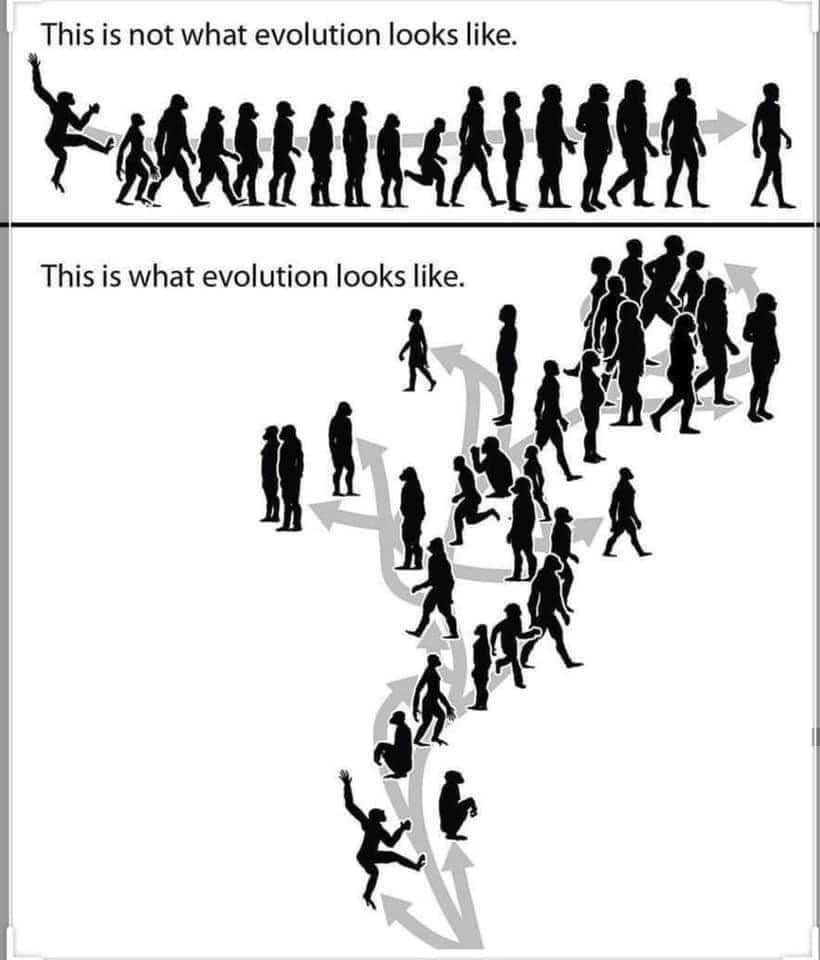
We know various branches of hominins roamed large parts of the earth from a time that recurrently is discovered to be earlier than recently believed. We know also that interbreeding took place, certainly between humans and Neanderthals and as likely between others. Where we find skeletons we find tools and often they are decorated.
We don’t know what the ornamentations mean but we do know they’re symbolic. All the bipedal folks of the earth appear to have been capable of abstract thinking. They exhibit the compulsion common to artists everywhere of every age: to explore and to leave their mark, communicate in ways a step beyond simple conversation or gesture.
They made things that evolved from the utilitarian to the decorative and the artistic. They created things not for survival but for the pleasure a “purposeless” activity brings the artist: that sense of capturing the sublime from the common expressions of everyday life. The reach for a sense of our common humanity is a challenging one that art makes much easier to grasp, even when the artists predate Homo sapiens.