Full Moon Edition February 2025

Sometimes I wonder if young people today are having any fun. There is substantial evidence they are increasingly isolated. They date less, attend fewer parties, are less inclined to partnerships, marriage, and families. Their lives seem anchored to their phones. It has the trappings of a virtual existence. Derek Thompson in The Atlantic (HERE) calls this The Anti-Social Century. Perhaps it’s a bit early in the 2000s to label all 100 years, but the first quarter certainly is showing the signs.
It’s a trend that was accelerated by the pandemic. Kids who already were saturated with social media suddenly had nowhere else to go. Schools were closed, learning was online if at all, sports, clubs, restaurants, all such public activities were curtailed. People were to be kept at a distance from each other, at least six feet of separation, but your phone was always handy. An entire universe at the push of a button. Why get up? Why go out? Why relate? If we do at all, let’s do it digitally. It’s cleaner that way.
As much as one-third of Internet traffic is pornography (HERE). When your preferred sexual partners are images on the web rather than people in the flesh (so to speak), your inclination to solitude seems dauntingly complete. Add to this phenomenon the ballyhooed waves of artificial intelligence coming our way and we might suspect the endgame rather is artificial existence, a complete world of you and your characters of choice generated in a render farm, a rave new world where tactile relationships are so yesterday and only us old folks bother with such antiquated ways of life.
Sometimes I imagine capitalism is reaching an inflection point, being an engine now so finely tuned and revving ever faster that it throws off its storied largess far above the common plain to Olympian heights where only a precious few among us dwell. “Among us” meaning they too are humans, mortals, Americans, but otherwise are increasingly distant from the rest, gods of free enterprise that they are.
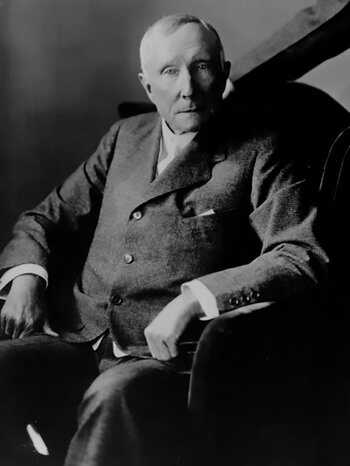
Robber barons are nothing new, of course. The term dates to the 19th century and describes those skilled industrialists who ruthlessly exploited resources, technology, and workers for stupendous gain. Our poster boy is a graphic example. At the same time, the beginning of a middle class was growing, too. A rising tide, it was said.
The technocrats of today are accumulating wealth to a degree and at a pace that would make Rockefeller blush. Their wealth is further from what’s left of the middle class than a monarch was from peons. Increasingly, the people of the U.S. exist at one or the other extreme of financial security. The ten percent who own equities are doing well. The ninety percent who don’t have seen income increase far less in the last fifty years than the rise in the cost of food, shelter, and health care (HERE). The majority of Americans are worse off financially than they were in 1970. The truly rich, on the other hand, are raking it in faster than they can count it, let alone allow it to be taxed.
Sometimes I suspect the motives of those technocrats are less than altruistic. Their current fetish for carving up the federal bureaucracy to protect the taxpayers seems to be concentrated where very few profitable opportunities are presented the private sector. What’s the point of a federal budget, they ask, if you can’t make money off it? Some of the cash cows that do feed their voracious maws so far appear to be immune.
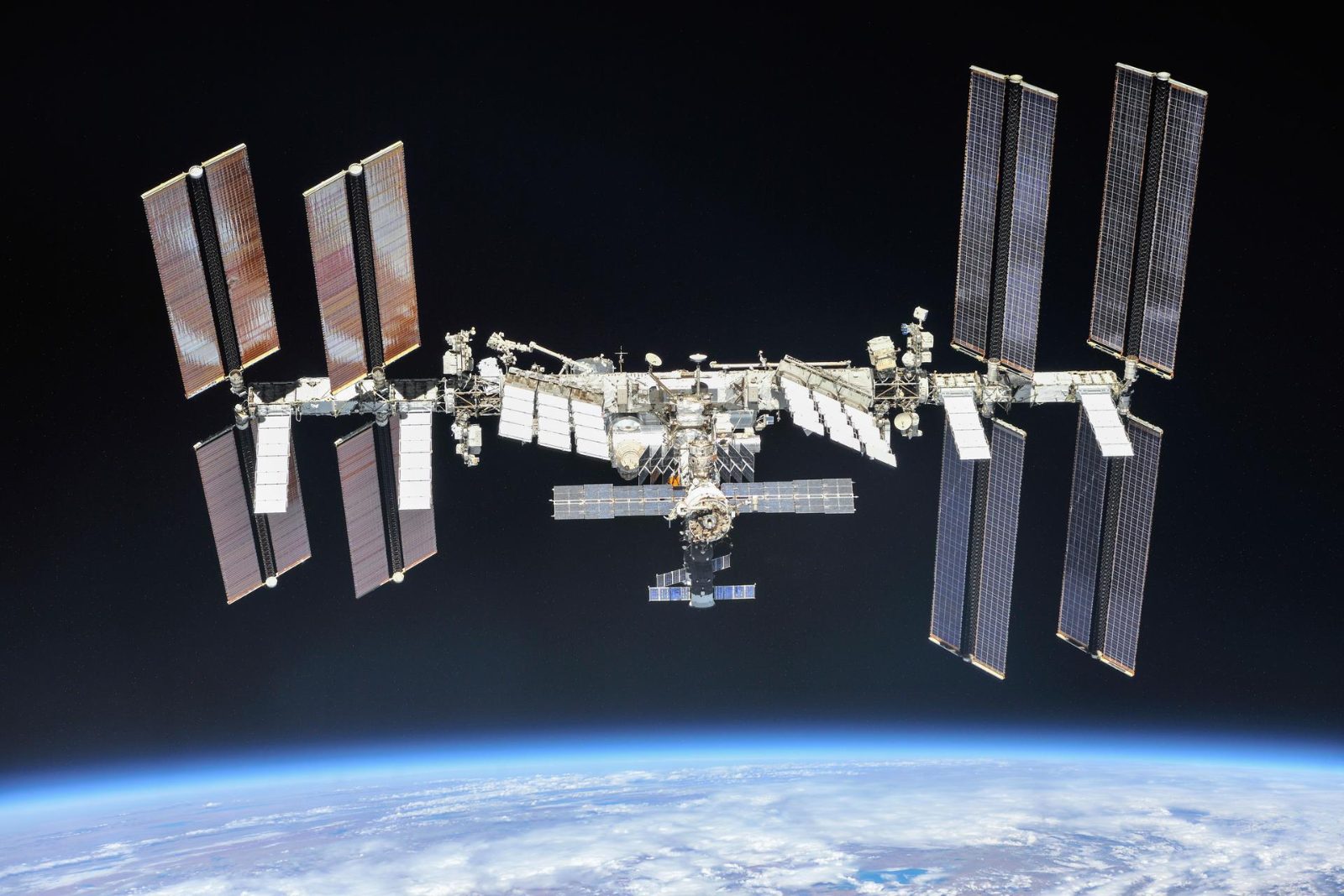
Take NASA and particularly its astronaut program, which rests its bloated existence on laurels of more than a half-century past, when the human space flight program actually was doing something other than manipulating Congress and feeding its many contractors cost-plus agreements to accomplish very little. For the next two decades the astronauts did public relations. The twenty-five years thereafter those space jockeys were ferried to the International Space Station where they have achieved virtually nothing except leisure at a cumulative cost to taxpayers of a trillion dollars.
But what about those oligarchs who want to carry humanity to the heavens, those visionaries who are pioneering private sector space exploration? Can they possibly have ulterior motives? It is said there are asteroids in near-earth orbit that contain more mineral riches than all the wealth extracted from Mother Earth since time began. There is said to be Helium 3 in the regolith of the Moon that can provide fuel for fusion reactors to power the earth without pollution and produce as a byproduct pure water. Perhaps though those big-hearted folks just want to go to space for fun. You think?