Full Moon Edition April Fools Day 2026
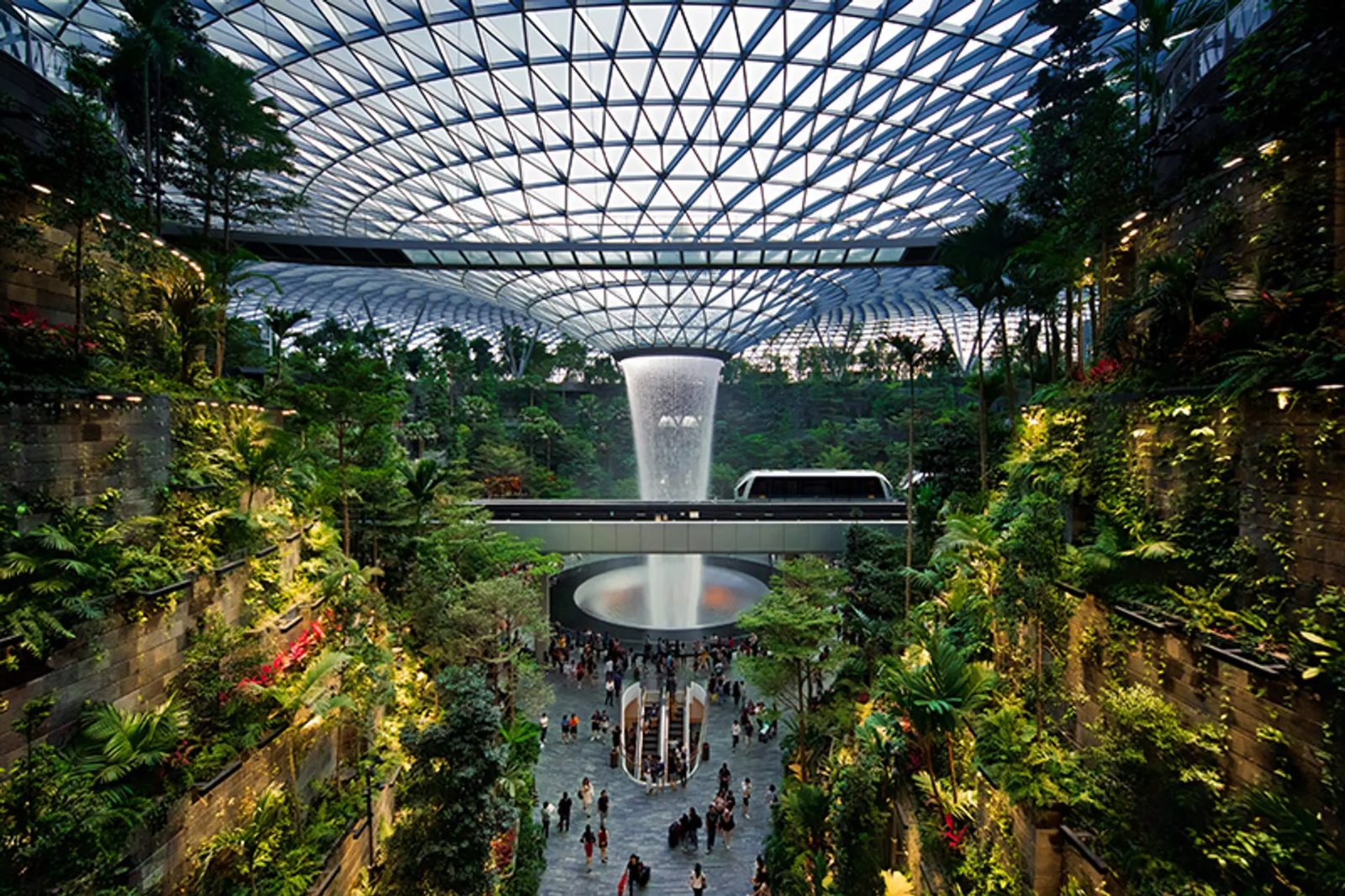
A few issues past in this newsletter, we mentioned Solarpunk (HERE), an imagining of how we free ourselves from technology’s relentless grip not by rejecting these many modern wonders and not by surrendering to them; rather, by tying digital curiosity to the love of life rather than love of profit. A reordering of our motives is what would be required – no small undertaking that. And as always one asks who then will pay for it?
Gardening is described as the place where wilderness meets civilization in mutual respect. So might technology meet nature in an embrace of what each can enable and enhance in the other toward the facilitation of life. Reciprocity would replace exploitation as the focus of our endeavors. The quality of our experience as a living organism within the greater ecosystem – and the beneficial, nourishing impact of our encounter with it – would be the measure of accomplishment.
Perhaps we have reached the inflection point where fundamental reorientation not only is needed but is actually possible. May the wizards of all these wonders come out from behind the curtain and be welcomed in the diminutive version of their grossly projected selves. The magic of their advanced technologies will find a greater purpose if we can center them within the creative rhythms of the natural order rather than the shadowy, nefarious platforms for commerce and control that they are.

What then of the ominous specter of Artificial Intelligence, the large language models that are going to put us all out of work? How might that digital behemoth figure into the Solarpunk equation? Like every new technology, the hue and cry is deafening. It will recompose society. Bring about the Singularity. Make humans obsolete. And like all that’s come before it in cyberspace, emerging quietly and quivering like a serpent in the background among all the towering proclamations of the technology’s apostles is a calculated manipulation of us users for someone’s commercial success (HERE).
The high priest of all the high tech hucksters, who not coincidentally is the richest person on earth, sees an AI future of “sustainable abundance” where everyone is rich and there’s no longer any need to work (HERE). That may be another way of saying we’ll all be unemployable so let’s pretend we’ve reached nirvana and them robots down here on the plantation labor on our behalf. No doubt they have our interests at heart, just like the proselytizers who built them. Elon wouldn’t fun ya, would he?
But, wait! We’re talking about embracing technology and shaping it to serve the social order, are we not? Given that we are in fact in a post-scarcity world and sustainable abundance can be had for the asking, the question is: can we replace the avarice at the heart of technological enterprise with a beneficent objective? If in their function of digesting the sum of human knowledge and repackaging it as directed for purposes venal or profound these creations somehow have achieved consciousness, as some believe to be the case, is it possible to vest these artificial intelligence devices with an appropriately artificial soul? If so, what would that be like (HERE)?

The Center for the New Northwest, of which this newsletter is a product, believes that the solutions we want should drive the systems we design. The significant problems we face as a society are systemic and their remedies can’t come about piecemeal. We have the ability to establish a basic quality of life for everyone simply by making it our objective. Habits die hard and change is daunting even if the known is harsh, but the herd of sacred cows overgrazing our meadow make a mockery of that pastoral scene capitalism promotes as the only practical pathway to comfort. Whose comfort and why so few, we ask, rolling those bloated bovines on their backs for a different view.
How to explain a world in which scarcity of resources long since has been resolved yet the magnificent creation of wealth that’s been achieved is ever more narrowly distributed. Money has become an end in itself, security an unquenchable thirst, and the social contract an affliction of bleeding hearts, socialists, and naive dreamers. Yet we can do better simply by recalling why we seek wealth: our quality of life. Now that riches are in (some) hand(s), why not remember their best purpose and potential?
So, here’s an idea that makes it possible, a modest change of perspective that rests on the established recognition of intellectual property rights. As artificial intelligence makes its way to dominance and society as we know it is essentially disrupted, let’s seize the chance to reap the reward of what we as a people have created: the vast store of knowledge and experience that AI exploits. And let’s put it to good use. Let’s give the titans of technological free enterprise their way with it for the payment of a royalty on all that data we as a society have provided. Say fifty percent of revenues that AI harvests from our collective property. And presto! Universal basic income.